


Grilling season winds down, and that grill doesn’t clean itself. Leave it sitting through rain, frost, or dust for a few months, and you’ll open the lid next spring to rust spots, gummed-up burners, or a family of spiders. The fix is simple: clean it, dry it, and cover it properly. Here’s the best way to store a barbecue grill in off season – from start to finish.
Step One: Clean It Like You Mean It
Grease left on your grates over winter turns into rust. Simple as that. Before you tuck the grill away, scrub the grates, empty the drip tray, and vacuum out ash and crumbs from the bottom. Wipe the exterior with warm, soapy water (do not use harsh chemicals; they’ll strip the finish). If it’s a gas grill, this is also the moment to check hoses and connections for cracks or leaks before you store it for months untouched. Knowing how to clean and store a gas grill properly now saves you a headache and a repair bill later.
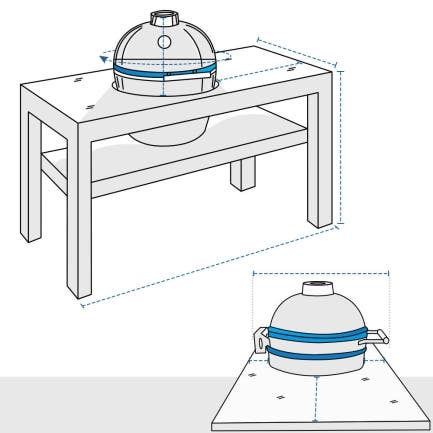
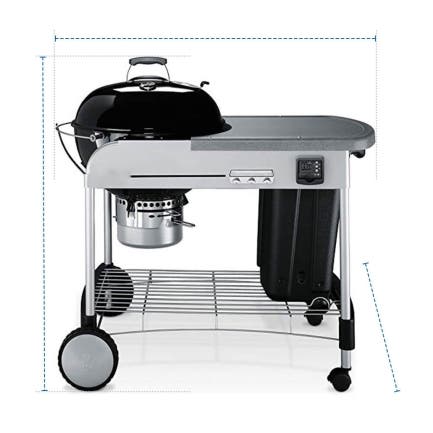
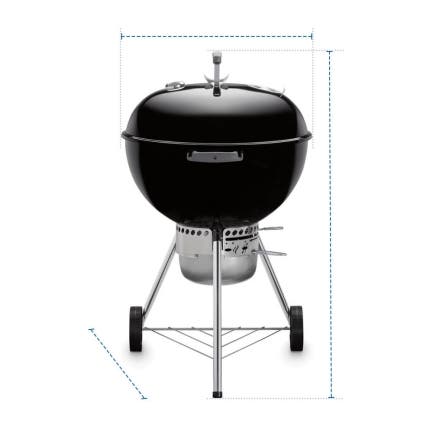
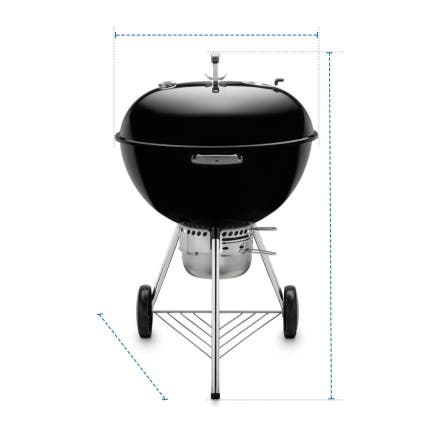
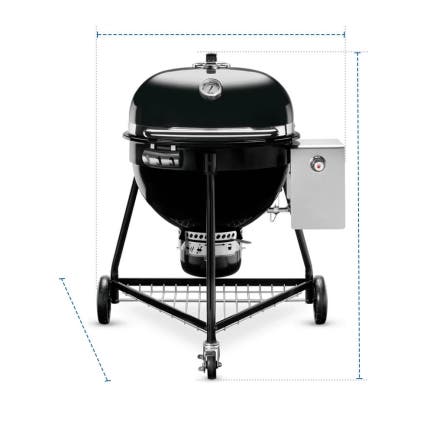
Charcoal grill? Dump the ash completely. Damp ash sitting in a bin all winter corrodes metal fast, and it’s one of the most overlooked steps in grill maintenance. Then cover it with the grill covers design for Charcoal grills to weber grills.
Step Two: Pick the Right Spot
A garage, shed, or covered patio is ideal – anywhere shielded from direct rain and snow. No indoor space? That’s fine, most people store grills outside year-round. It just means the next two steps matter more.
If you’re leaving it outdoors, position it somewhere sheltered from wind and standing water. Avoid low spots in the yard where puddles collect. Also, keep it a few feet away from your house or fence for fire safety during any off-season maintenance involving propane tanks.
Step Three: Cover It Properly
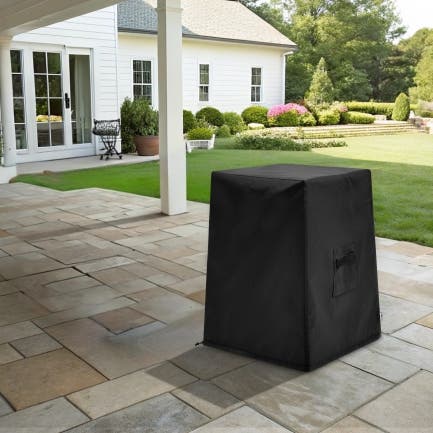
This is where most people cut corners, and it’s exactly how to protect a grill when not in use or lose it to the elements. A cheap, ill-fitting cover traps moisture underneath, which does more damage than no cover at all. What you want is a cover built for your exact model — snug at the base, breathable enough to avoid condensation, and tough enough to survive wind and freezing temps without cracking.
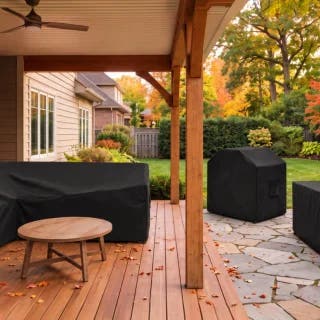
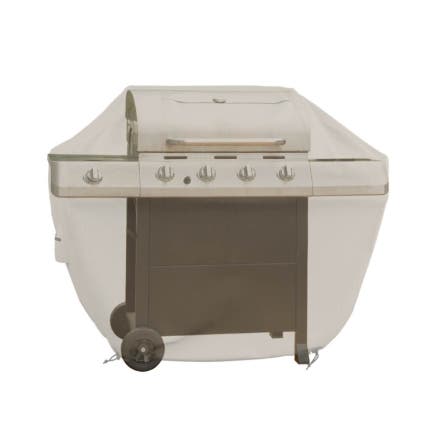
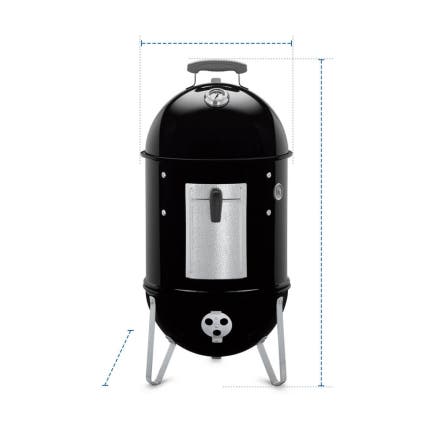
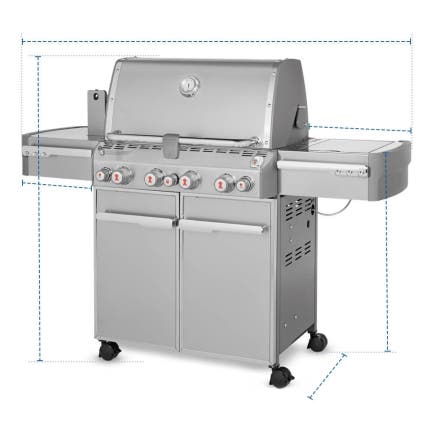
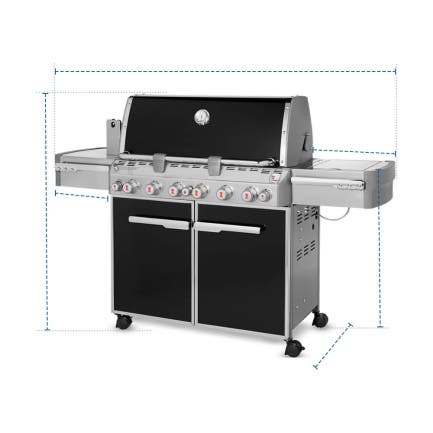
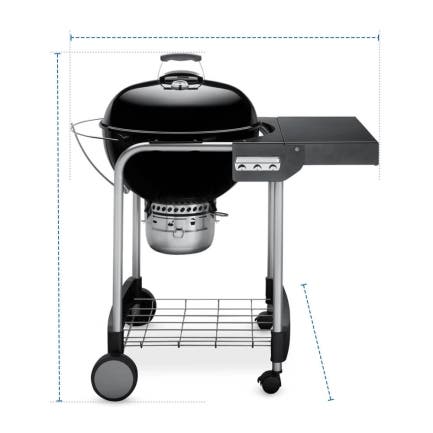
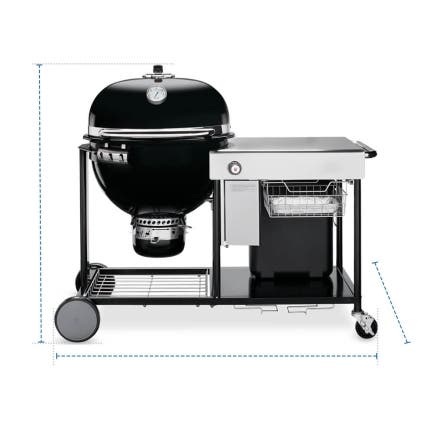
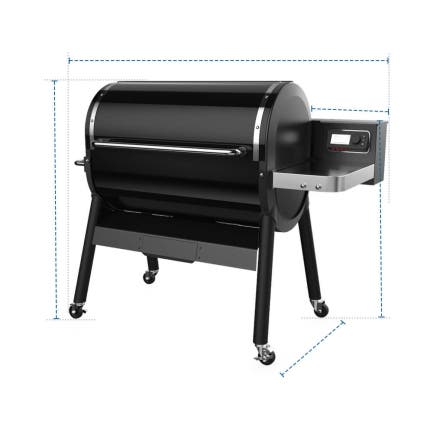
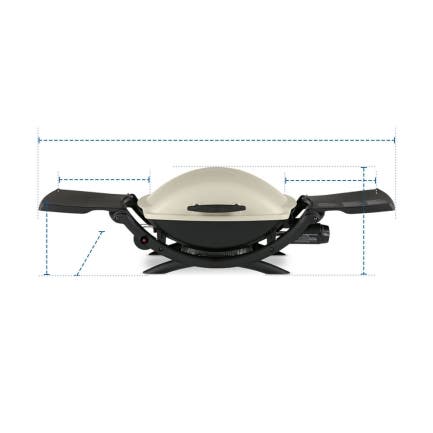
Custom grill covers for outdoor storage solve this better than the generic covers. A cover cut to your grill’s dimensions won’t flap loose in the wind or let water pool in the folds. And if your setup includes a side burner or cart, look for Custom BBQ Covers designed around the whole unit, not just the lid.
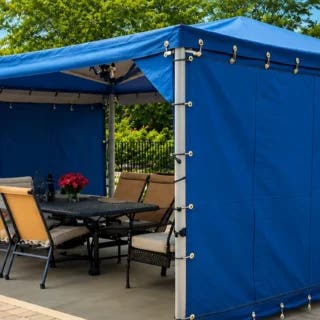
For anyone in a genuinely wet or snowy climate, don’t settle for anything less than waterproof grill covers for year-round protection – a cover that’s merely “water-resistant” will eventually soak through during a long winter. The best grill cover material is one that repels water on the outside while letting trapped moisture vent out, so you’re not sealing in condensation.
Popular Products


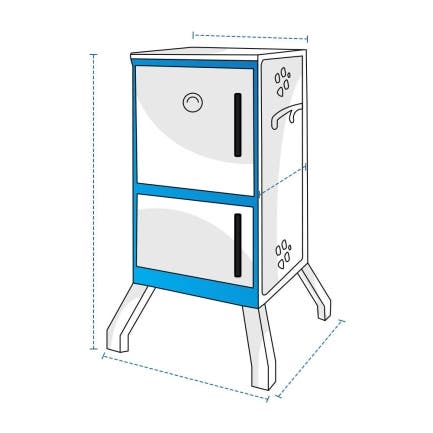
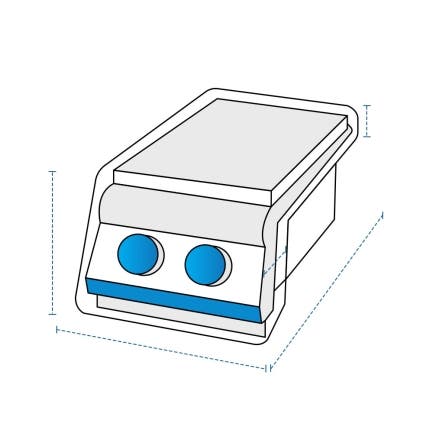
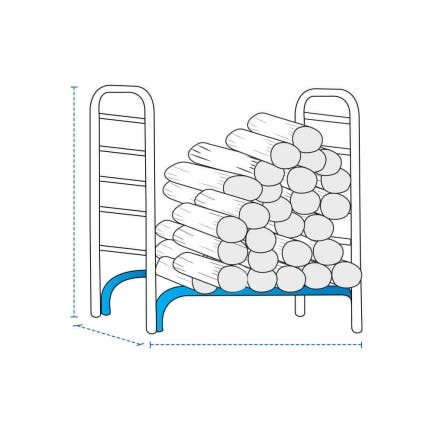
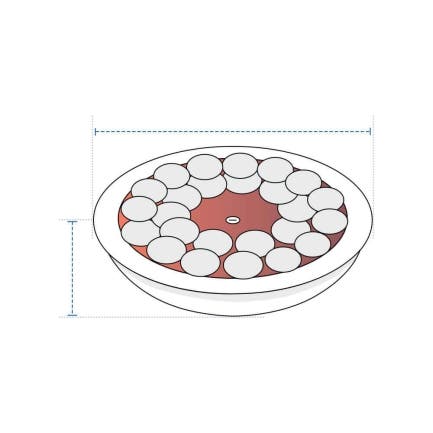
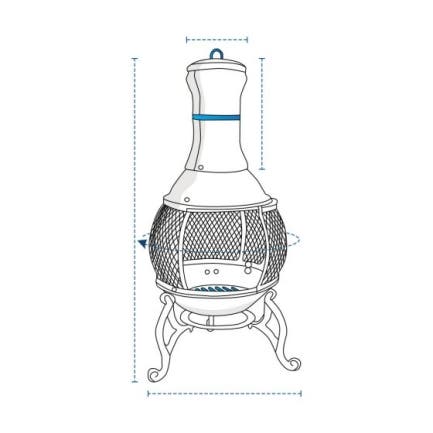
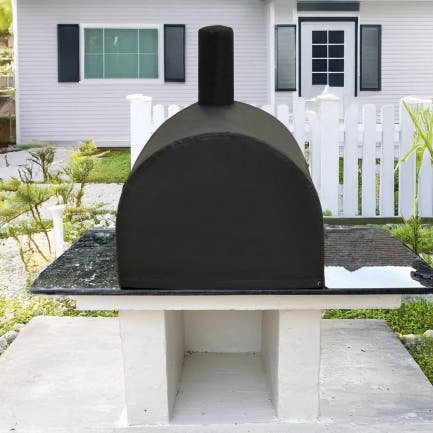
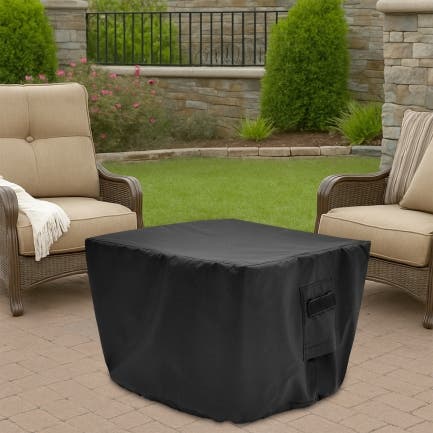
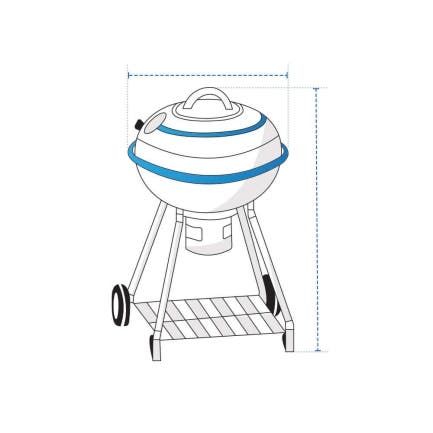
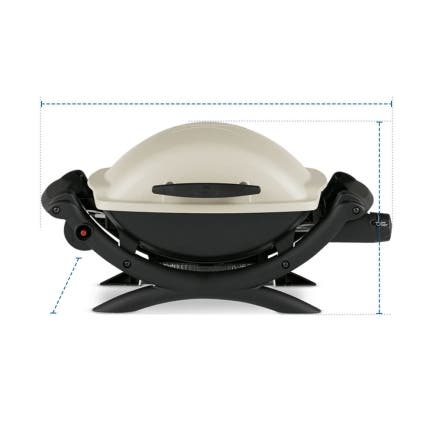
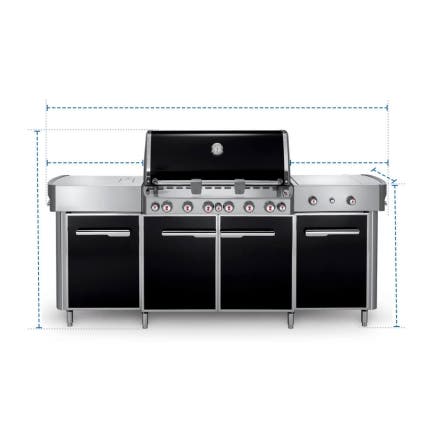
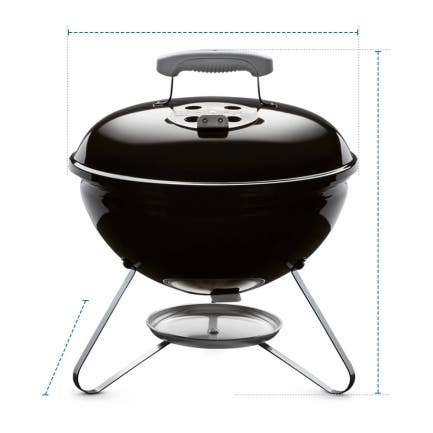
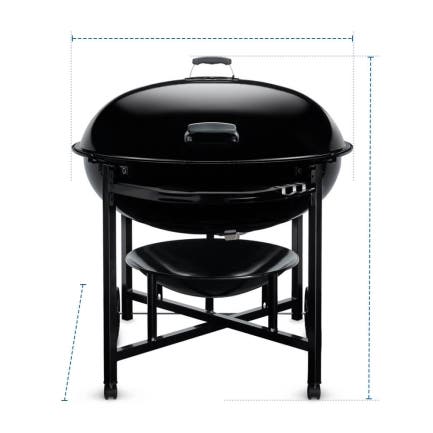
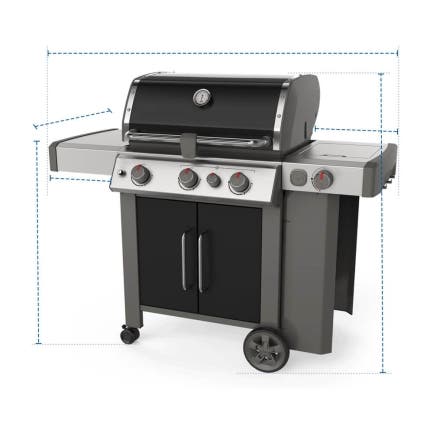
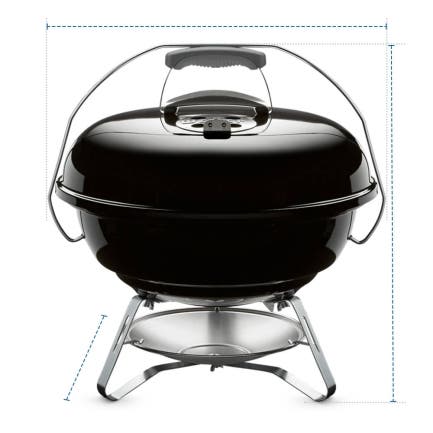
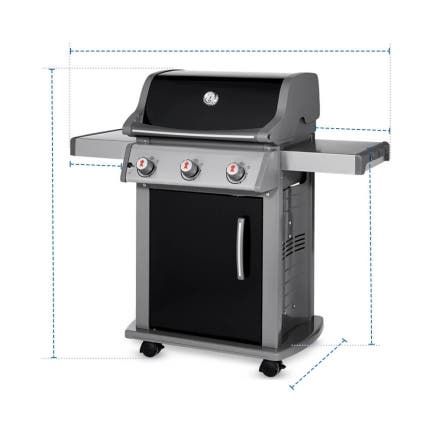
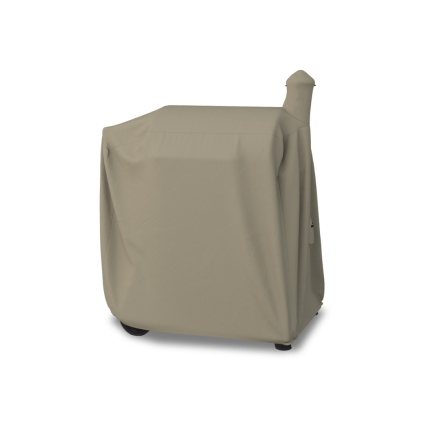
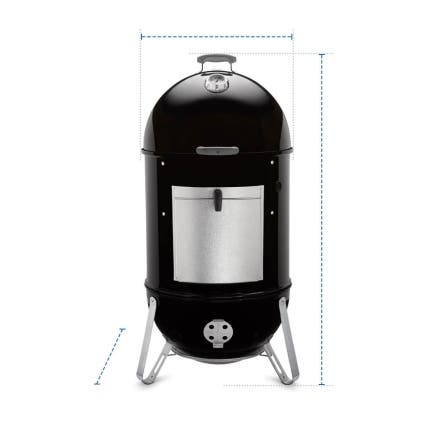
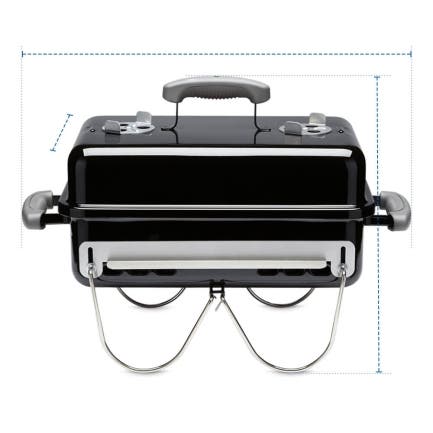
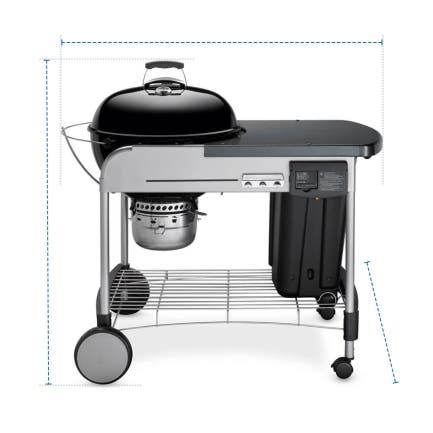
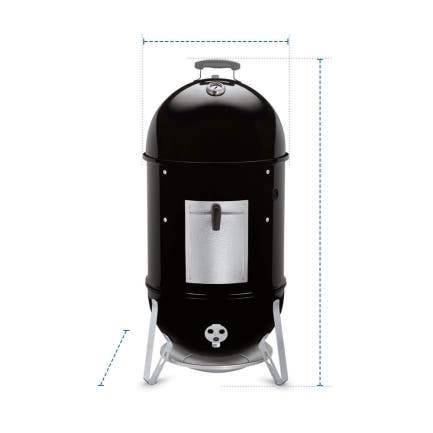
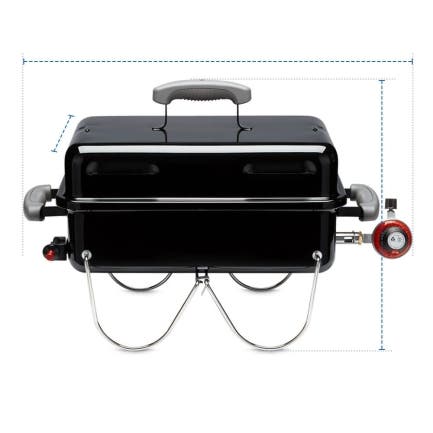
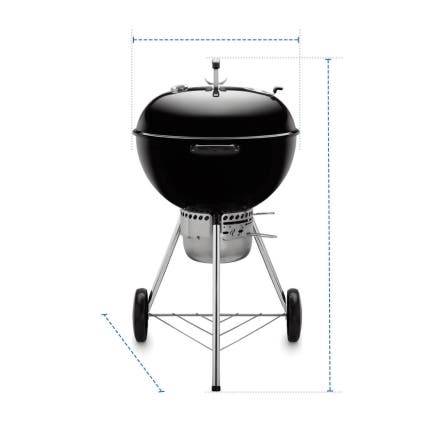
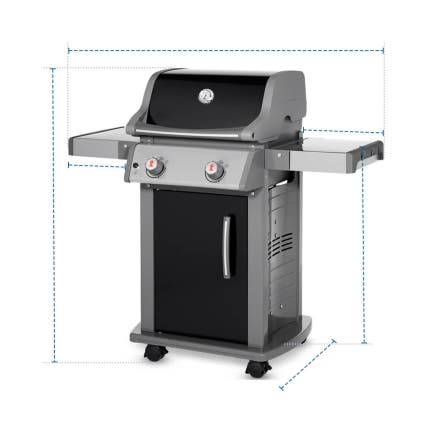
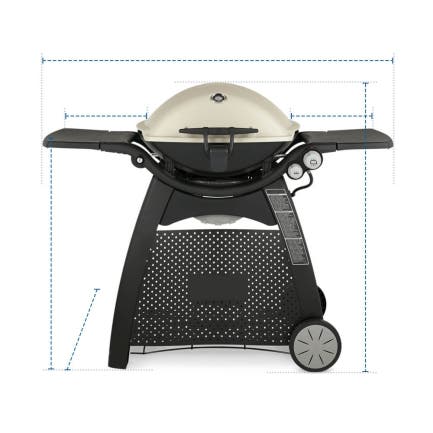
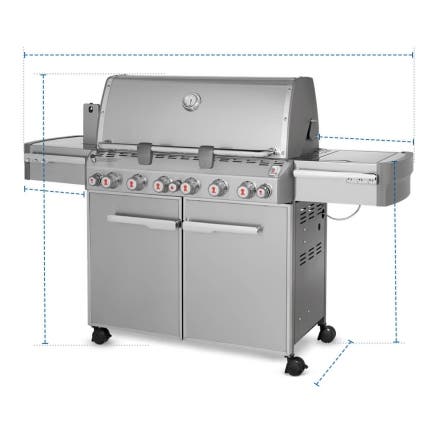
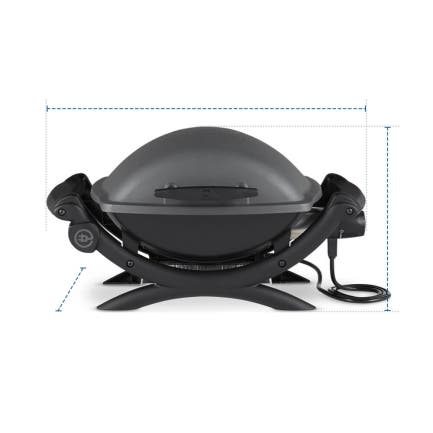
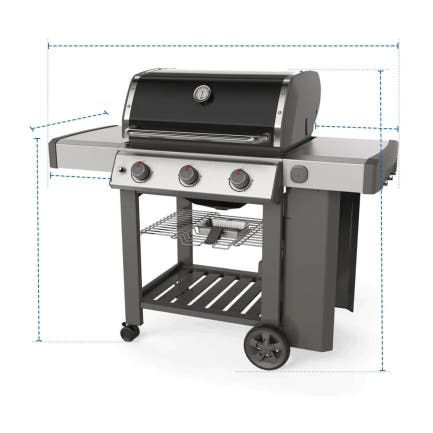
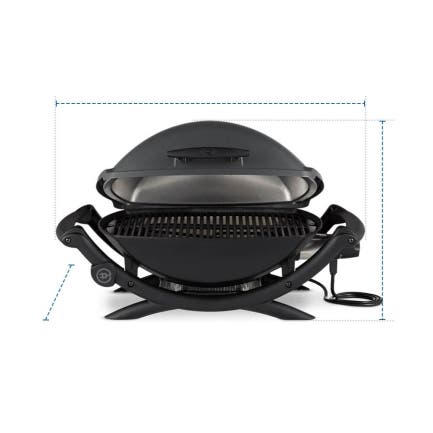
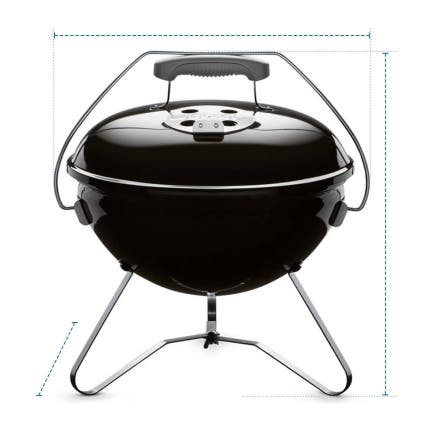
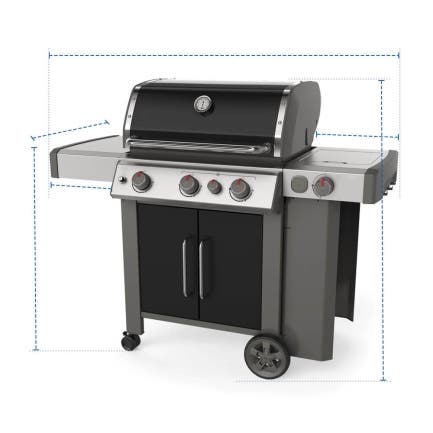
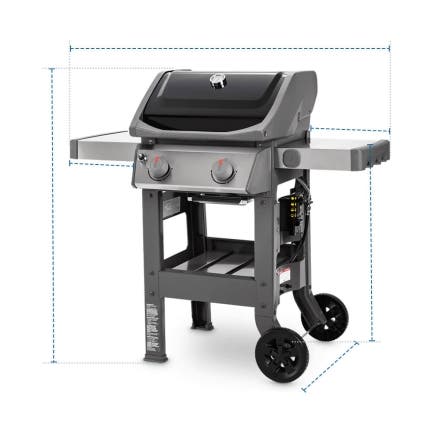
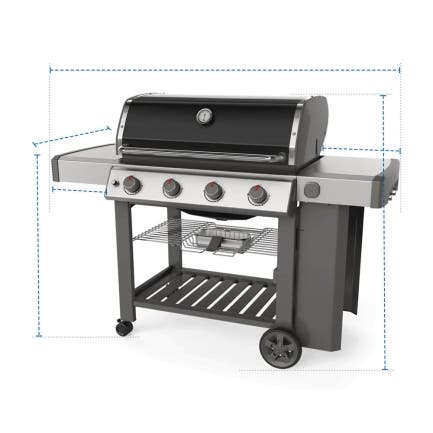
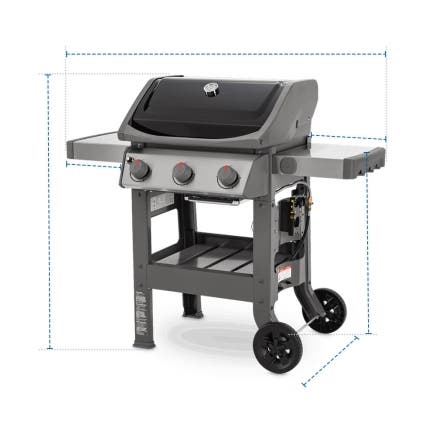
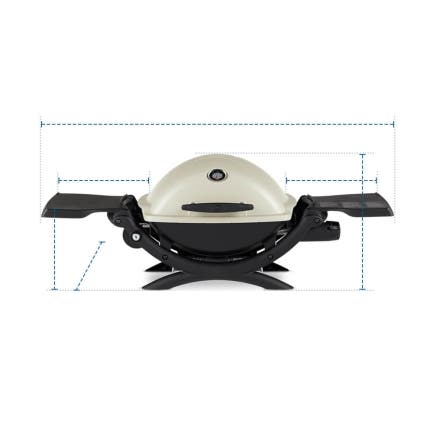
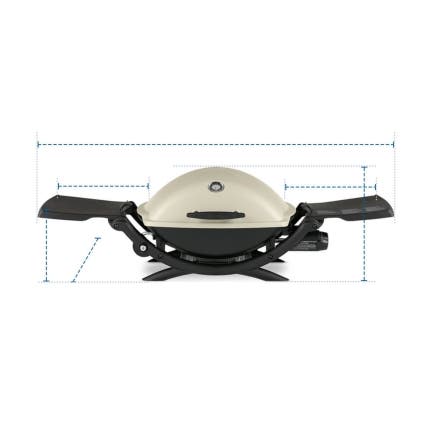
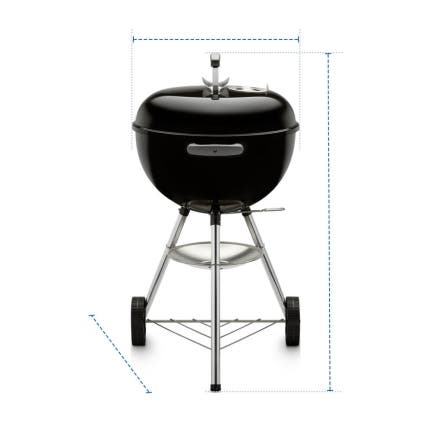
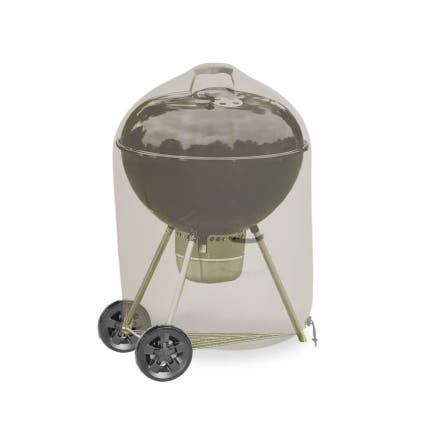
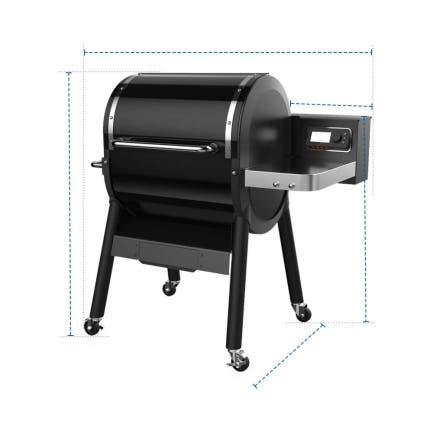
Preventing Rust: The Detail Everyone Skips
Rust doesn’t happen overnight – it’s the slow result of trapped moisture and skipped maintenance. A light coat of cooking oil on cast-iron grates before storage adds a protective barrier. Stainless steel parts benefit from a quick wipe with a stainless-safe cleaner. And if you really want to know how to prevent rust on a BBQ grill long-term, the cover you choose matters as much as the cleaning you do. A breathable, well-fitted cover keeps humidity from building up against the metal in the first place.
What If Your Grill Is Built-In?
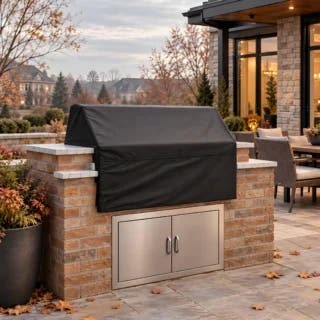
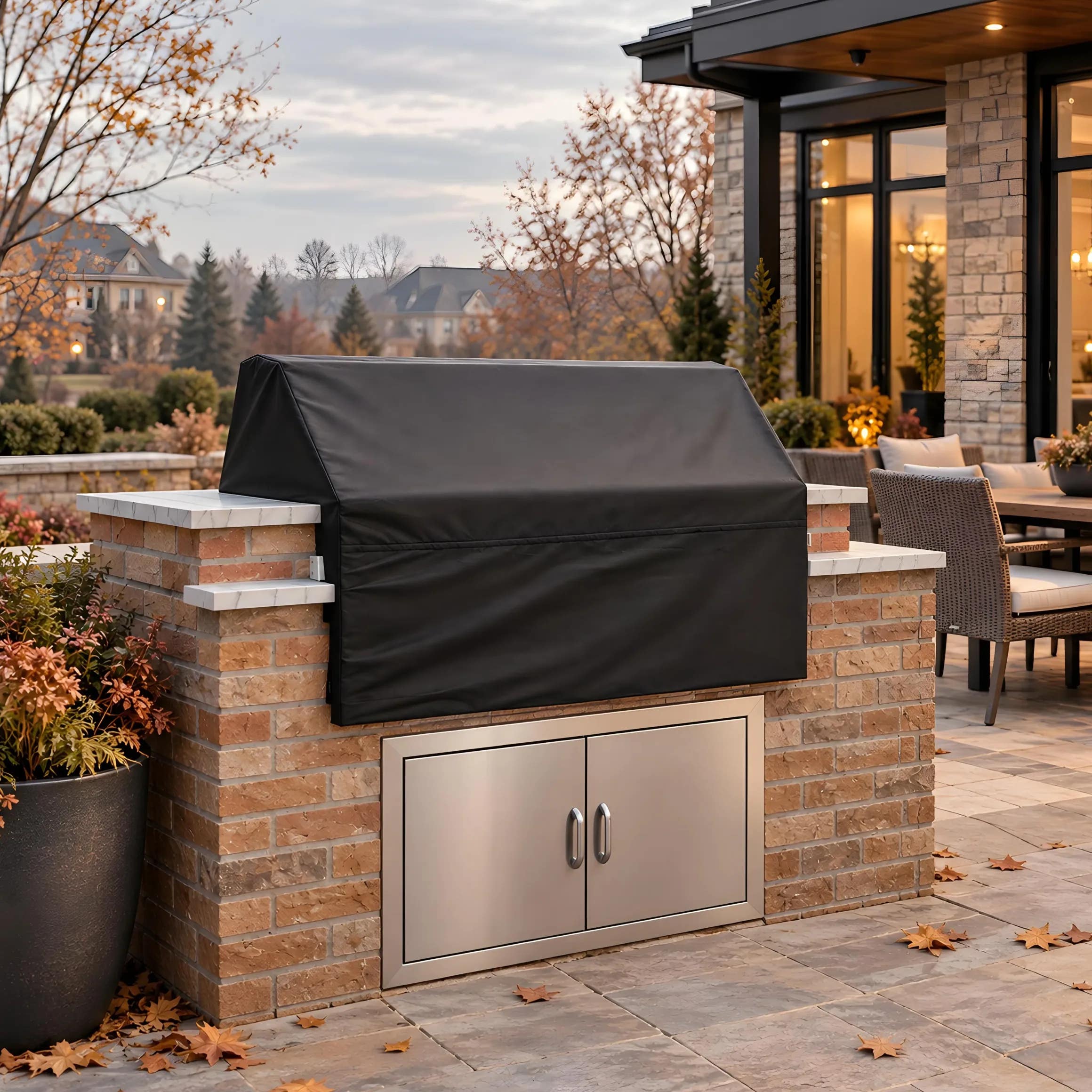
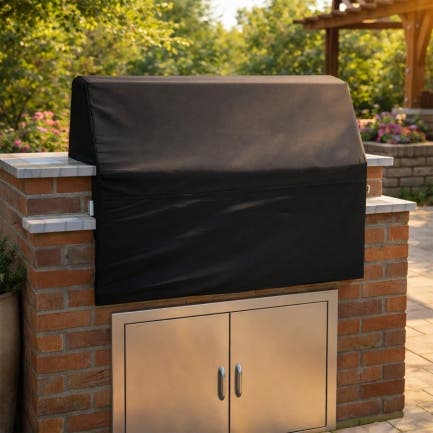
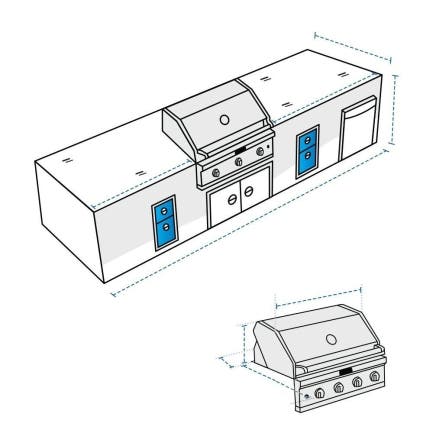
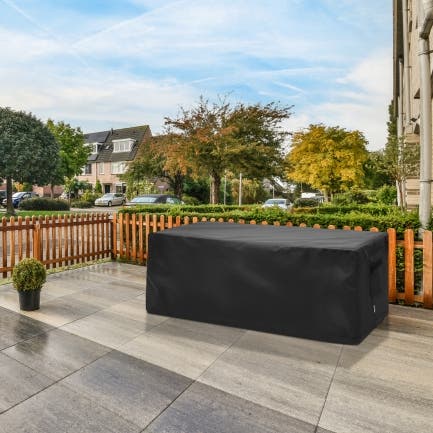
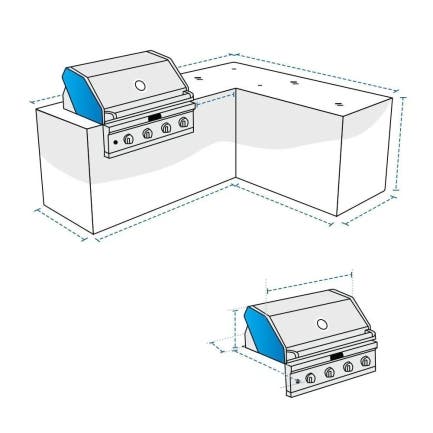
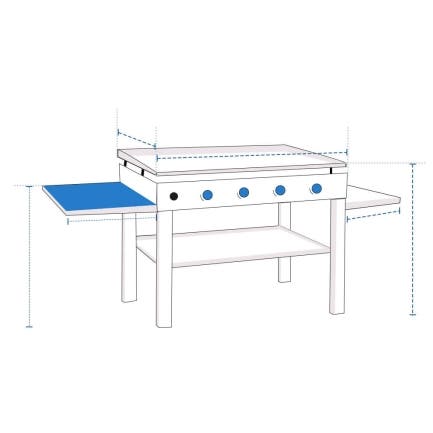
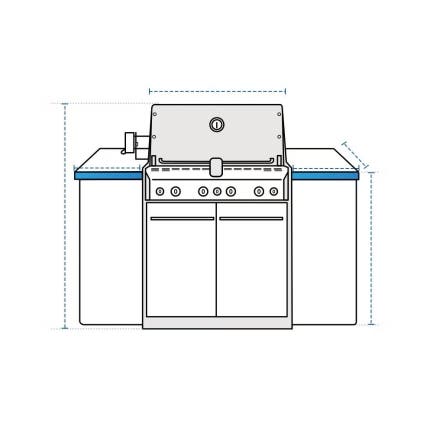
Built-in setups face the same risks, just with less flexibility on placement; you can’t just move it into a shed. If yours is part of an outdoor kitchen, Built-in Grill Covers are shaped to fit around the surrounding countertop or structure, protecting the unit without leaving gaps where rain gets in. And if you’ve got other appliances out there a side burner, fridge, or sink – a matching set of Outdoor Appliance Covers keeps the whole station protected, not just the grill.
Common Off-Season Mistakes to Avoid to Maintain Grill
- Storing the grill dirty (grease + moisture = rust, guaranteed)
- Using a tarp instead of a fitted cover — tarps trap condensation
- Leaving the propane tank connected in an enclosed space
- Skipping the cover altogether because “it’s just for a few months”
None of it takes long, and it’s really all there is to off-season grill storage: clean it, shelter it, cover it properly.
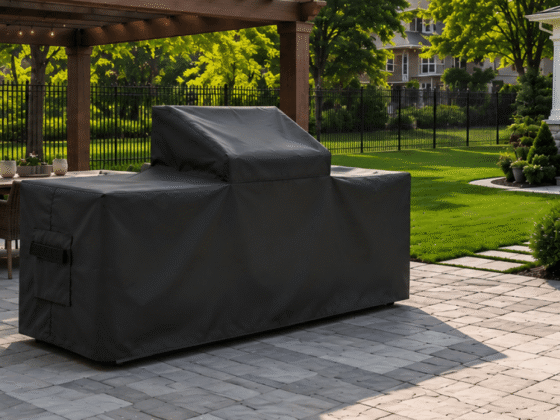
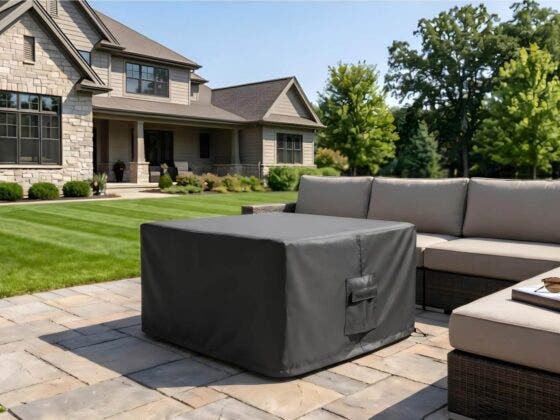

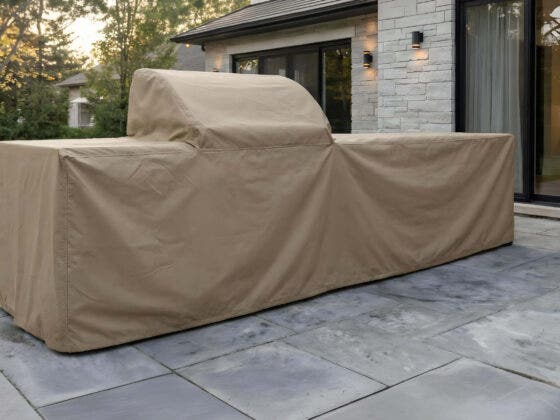
 Covers and All

Recent Comments