


An outdoor kitchen is a serious investment — the grill, the countertops, the side burners, the storage cabinets, all of it living outside under the open sky. A good cover is the cheapest insurance you’ll ever buy for that setup. Yet a surprising number of people end up with a cover that flaps loose in the wind, traps moisture against stainless steel, or simply doesn’t fit the island they own.
If you’re shopping for protection right now, this guide walks through the most common buying mistakes and exactly how to avoid them, so you land on the best outdoor kitchen cover for year-round protection the first time around.
Mistake #1: Buying a “Standard Size” Instead of Measuring Properly
Outdoor kitchens are rarely standard. Between L-shaped islands, U-shaped bars, built-in pizza ovens, and odd counter overhangs, a generic rectangular cover almost never sits right. People often buy whatever size looks “close enough” off a shelf, only to find gaps at the corners where rain and dust sneak in.
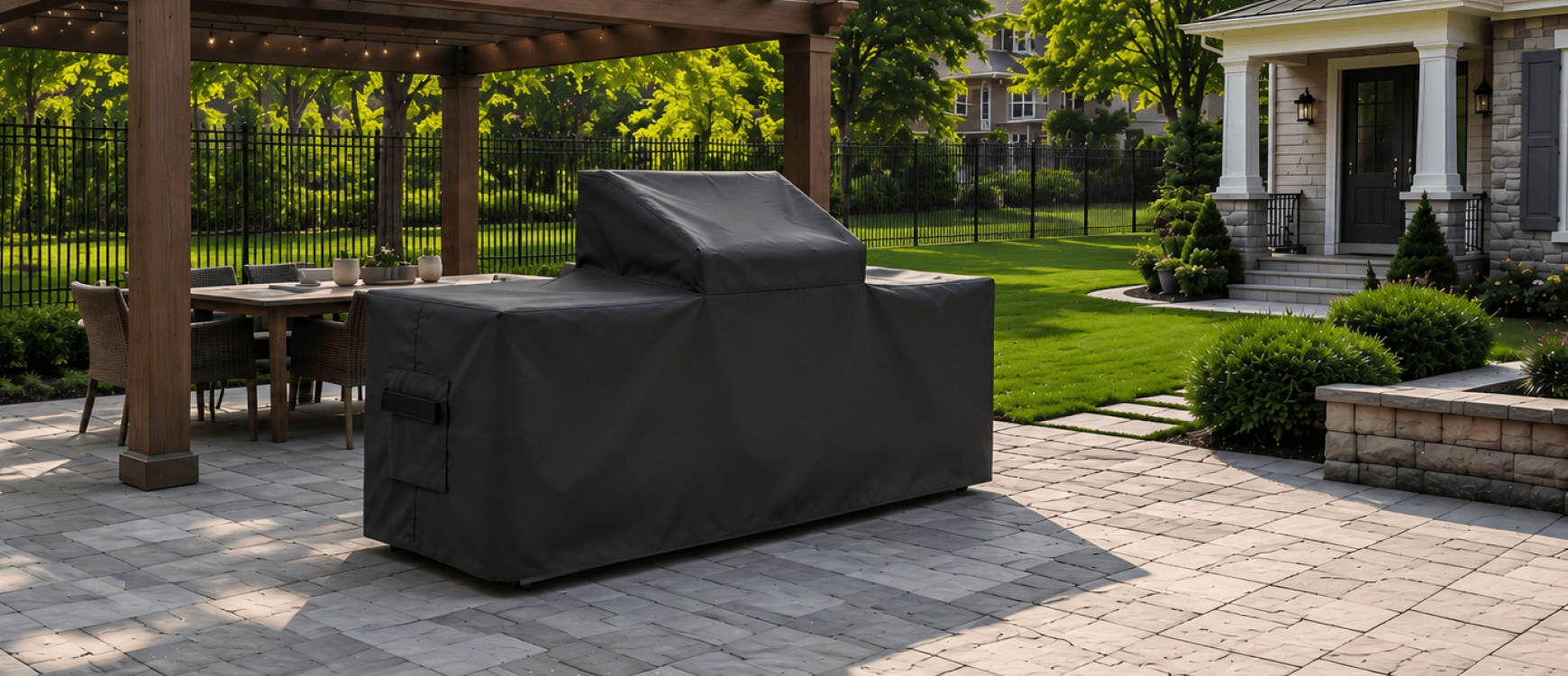
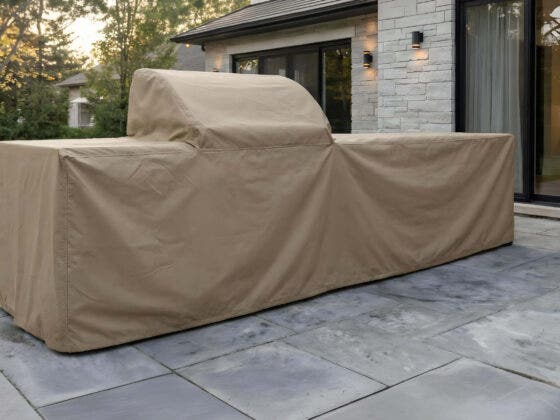
How to avoid it: Measure your full island — length, depth, and height — including any side burners or sink fixtures that stick out. If your setup is irregular, look at custom outdoor kitchen covers for built-in grills that are made to your exact dimensions rather than a generic template. A cover that hugs the silhouette of your kitchen keeps wind from getting underneath and prevents the constant re-adjusting that comes with an ill-fitting cover.
Mistake #2: Choosing Material Based on Price Alone
It’s tempting to buy the cheapest tarp-like cover at the store. The problem is that thin, low-denier fabrics tear within a season of sun exposure, and budget vinyl can crack in cold weather or trap condensation against your appliances.
Popular Products
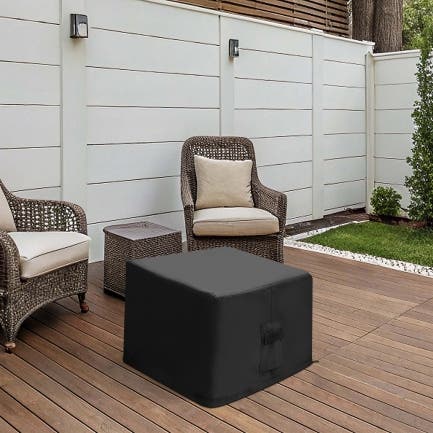
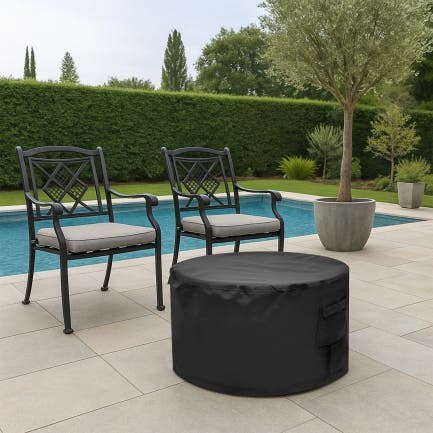
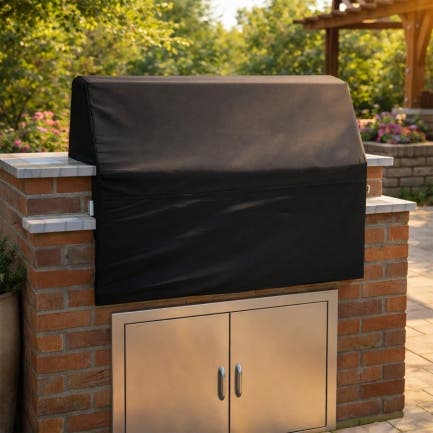
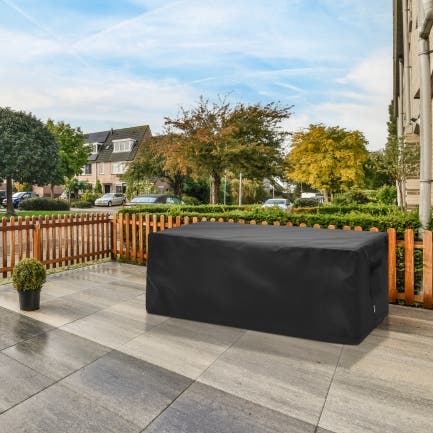

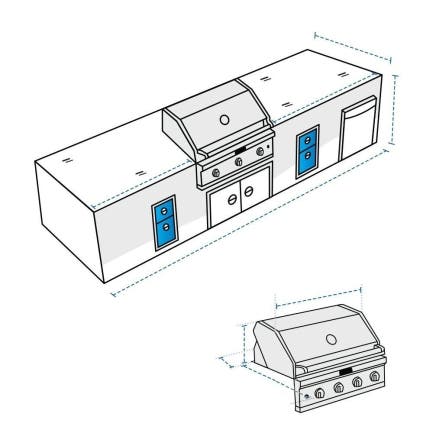
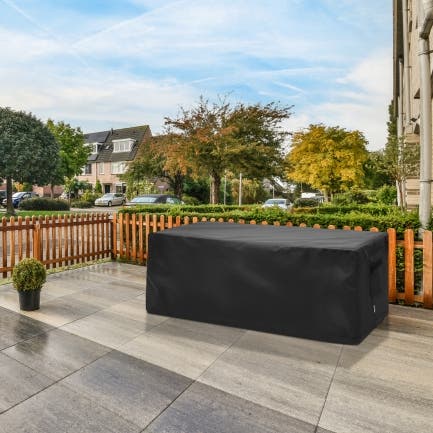
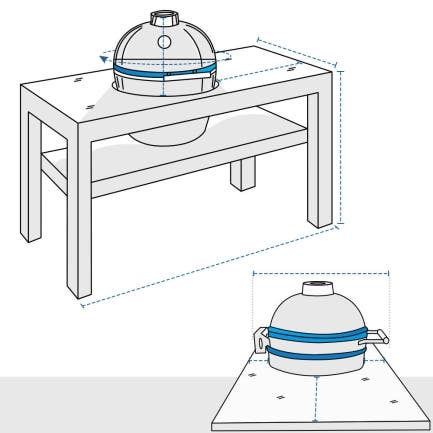
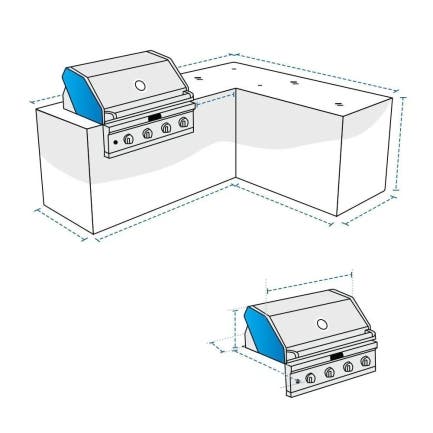
How to avoid it: Think about the best material for outdoor kitchen covers in your specific climate before you think about price. Heavy-duty PVC-coated polyester (often rated 600–1000 denier) handles intense sun and heavy rain well, while solution-dyed polyester with a PU coating resists mildew in humid regions. Spending a little more upfront on the right fabric almost always costs less over the life of the cover than replacing a cheap one every year.
Mistake #3: Not Planning for Year-Round Weather Swings
Many buyers think about protection in terms of the season they’re shopping in — sun cover in summer, “something” in winter — instead of planning for the full year. That mismatch leaves the kitchen exposed during the months it needs help most, like driving rain in spring or heavy snow loads in winter.
How to avoid it: Look specifically for a cover built for year-round protection — one that combines UV resistance, waterproofing, and tear resistance in a single fabric rather than switching covers seasonally. A genuinely weatherproof kitchen cover should handle snow load, wind-driven rain, and intense summer UV without needing to be swapped out, which is the whole point of treating patio kitchen protection as a year-round commitment rather than a seasonal patch job.
Mistake #4: Forgetting About Built-In Grills, Burners, and Accessories
A lot of outdoor kitchen covers are designed with a flat countertop in mind, but most real setups include a built-in grill head, a side burner, a faucet, or a smoker tucked into the island. Throwing a flat cover over all of that creates pressure points that wear through the fabric fast, and it often leaves the grill exposed at odd angles.
How to avoid it: Choose covers designed around your actual configuration, including optional slits for a faucet or burner, so the cover sits flush instead of bunching up. If your island includes a separate grill, pair your kitchen cover with dedicated BBQ grill covers for that specific appliance — this keeps the grill protected from grease, ash, and rust even when the rest of the island is shielded separately.
Mistake #5: Ignoring Ventilation and Mildew Protection
Sealing a cover down tight feels like the safest move, but trapped moisture underneath a non-breathable fabric is exactly what causes mildew, foul odors, and fabric breakdown over time — especially in humid climates or right after rain.
How to avoid it: Look for covers with air vents built in, or a fabric that’s treated to resist mildew — skip anything marketed as fully airtight. A PU coating does a good job of keeping mold from taking hold, and that’s something you’ll appreciate way more after a few rainy weeks than you would on day one in the showroom.
Mistake #6: Skipping Customization and Secure Tie-Downs
A cover that isn’t secured properly will end up on your neighbor’s lawn after the first windstorm. People often assume any cover with a drawstring is “secure enough,” without checking whether the tie-down style matches their setup and local wind conditions.
How to avoid it: Check what fastening options are available before buying — elastic hems, push clips, drawstrings, split zippers, and grommets all serve different purposes depending on exposure. This is where custom covers earn their value: you can match grommet spacing, add personalization like a logo or initials, and choose the closure style that fits your patio’s wind exposure instead of settling for a one-size-fits-all strap system.
Mistake #7: Skipping the Buying Guide and Comparing Options Too Quickly
The biggest mistake of all is rushing the decision — picking the first cover that shows up in a search instead of working through a proper comparison of fit, fabric, and features. This is how people end up repeating most of the mistakes above in a single purchase.
How to avoid it: Don’t skip the basics just to get to check out faster. Measure first, then narrow your fabric choice down to two or three that suit your climate and check the tie-down and ventilation features before you even look at price. That’s really all an outdoor kitchen cover buying guide boils down to. Once you’ve done that groundwork, how to choose the right outdoor kitchen cover stops being a puzzle — it’s mostly just patience over impulse.
Final Thoughts
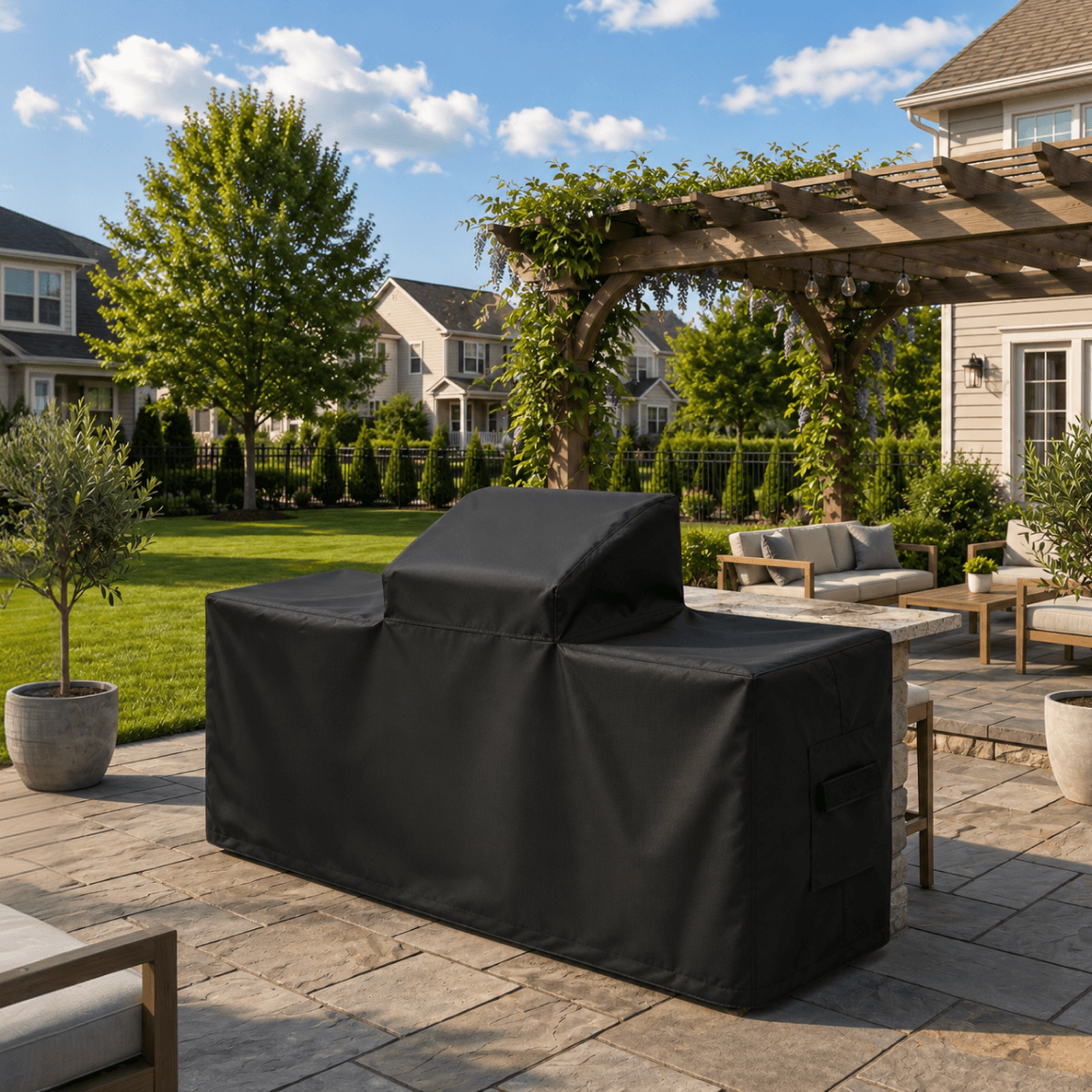
Most of the mistakes to avoid when buying an outdoor kitchen cover come down to the same root cause: treating it as an afterthought instead of a real purchase decision. Take the time to measure properly, match the fabric to your climate, account for your grill and accessories, and choose secure, breathable tie-downs and your cover will do its job for years instead of months.
If your outdoor kitchen includes a separate built-in grill, an island bar, or an unusual layout, custom-made outdoor kitchen covers and Outdoor Kitchen Island Covers built to your exact measurements will always outperform a generic, off-the-shelf option and that’s the difference between buying a cover once and buying one every single year.

Recent Comments