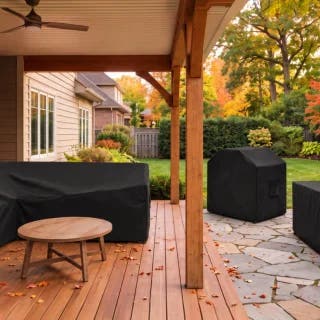
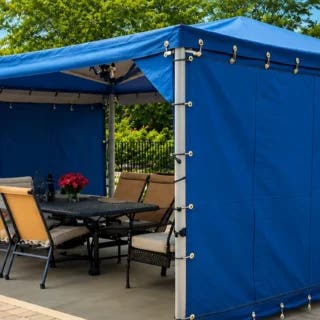
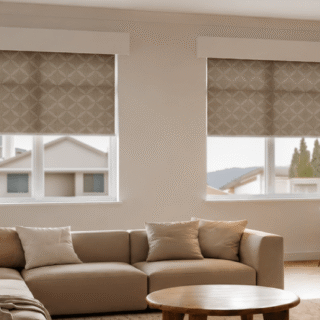
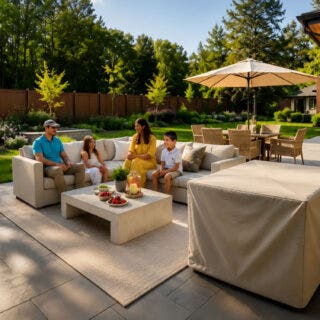
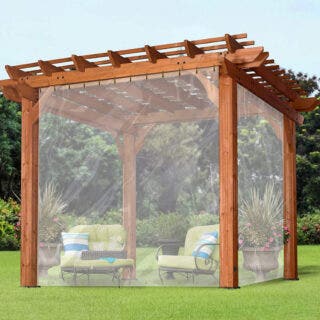

Fabric openness refers to the density of the weave in solar screen fabrics, expressed as a percentage (e.g., 1%, 3%, 5%, 10%). It dictates the ratio of open space to solid yarn, directly determining how much natural light, UV radiation, and airflow pass through the shade, as well as the clarity of your outward view.
The Openness Percentages Explained in Outdoor Shades
The openness percentage tells you exactly how much of the fabric surface area consists of tiny, microscopic holes.
- 1% Openness: A very tight weave that blocks 99% of UV rays. It offers maximum privacy and heat rejection, but significantly restricts your view of the outside.
- 3% Openness: The most popular balance. It blocks 97% of UV rays, cuts heavy glare, and allows for soft, diffused light while still preserving a recognizable (though slightly blurred) outdoor view.
- 5% Openness: A slightly looser weave that allows more natural light and better airflow. It provides a clearer view of the outside but allows more glare and heat through than lower percentages.
- 10% Openness: The loosest standard weave. It maximizes light, airflow, and outdoor visibility, but provides the least amount of glare reduction and UV protection.
How to Choose Shades for Outdoor Spaces
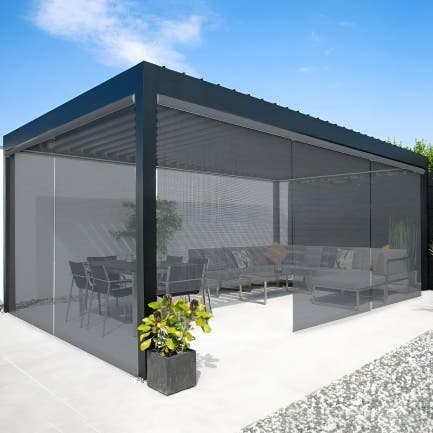
When selecting openness for patios, balconies, or pergolas, consider the orientation of your space and your primary goals:
- For West or South-Facing Areas: Choose a 1% or 3% openness to combat intense, blinding afternoon sunlight and reduce thermal heat.
- For Mild Exposures or Covered Patios: Choose 5% to 10% openness if you want to maintain a completely open, unobstructed view and a breezy feel.
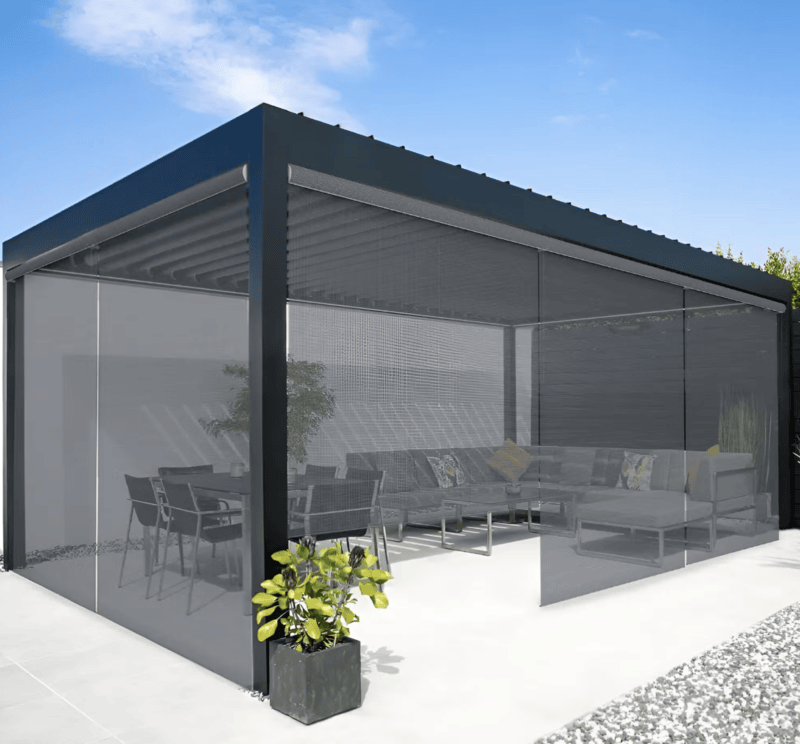
The Role of Color While Choosing Shades
The performance of an openness percentage of any outdoor shades can change drastically depending on the color of the yarn:
- Dark Fabrics (e.g., charcoal, black): They absorb light rather than reflecting it, making them excellent for glare reduction and providing the crispest outdoor view.
- Light Fabrics (e.g., white, beige): They reflect solar heat and UV rays more effectively, making them superior for cooling a space, but they tend to produce more glare.
Popular Products

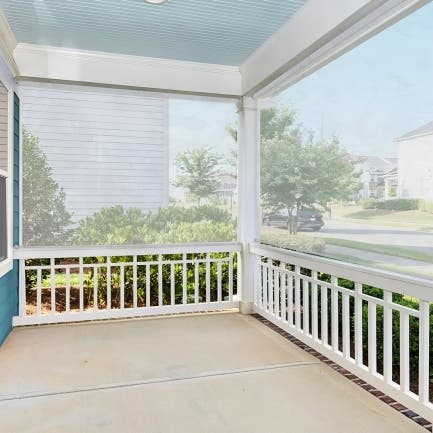
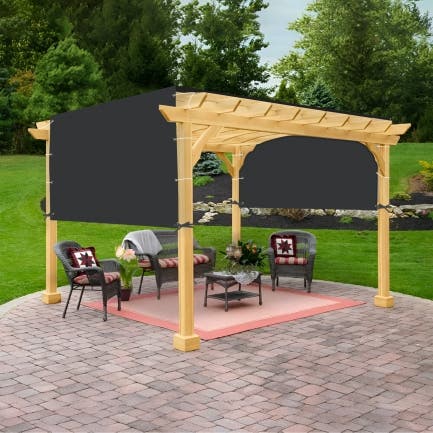
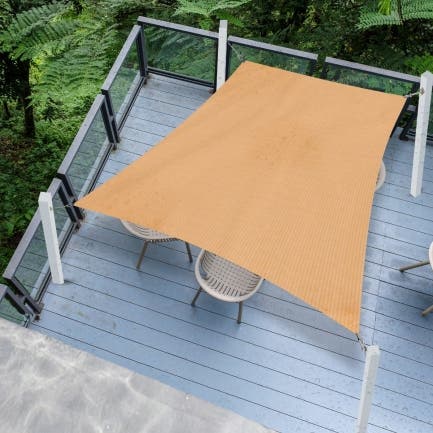
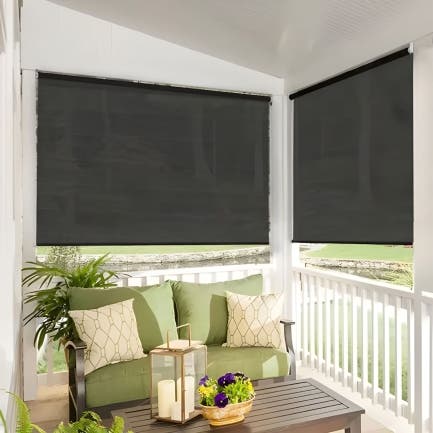
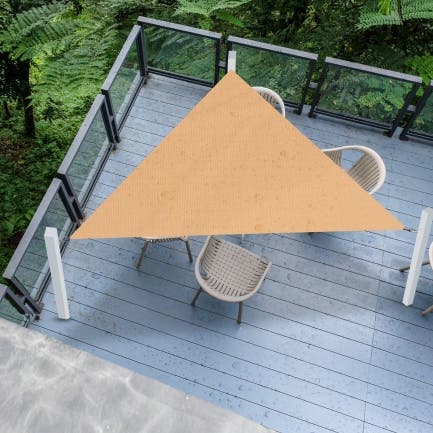
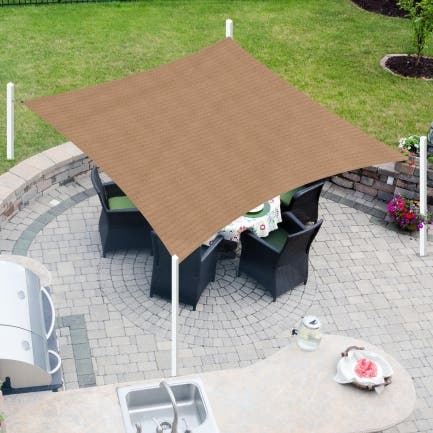
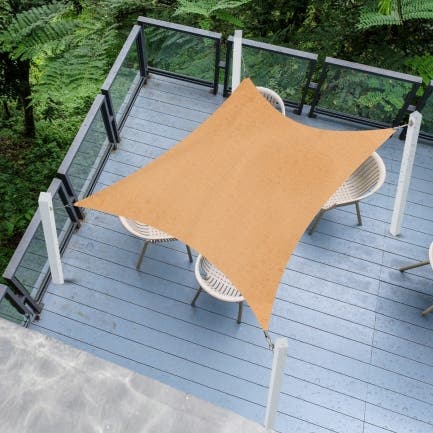
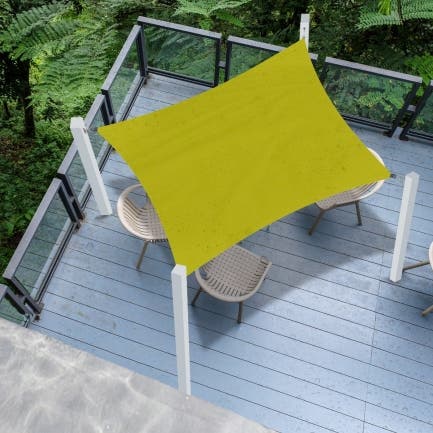
Note: Openness works both ways. During the day when it is brighter outside, outdoor roller blinds & shades provide a clear view out but block people from seeing in. However, if your outdoor area is lit at night and it is dark outside, the effect reverses, and people outside can see inside your space.
Recent Comments