


September can be tough on boats tied at the dock. Learn practical dock boat cover tips, outdoor boat maintenance hacks, and why UV-resistant boat covers are your best friend for marine boat protection.
September: The Sneaky Month for Boat Damage
September is an oddball for boaters. It’s not quite summer anymore, but it’s not full-blown autumn either. You’ll get blazing hot days followed by chilly, stormy nights – and your boat, sitting patiently at the dock, gets the worst of both worlds.
This is when a lot of owners get caught off guard. They think, “Boating season’s winding down, I’ll worry about covers later.” Then, after one windy weekend or a week of sun exposure, they find faded upholstery, mildew on the seats, or worse – water pooling where it shouldn’t.
That’s why marine boat protection in September deserves your full attention.
What Your Docked Boat Faces in September
Weather that can’t make up its mind
The sun’s rays are still sharp enough to fade gelcoat and crack vinyl. But add in fall rain, rising humidity, and the occasional storm surge, and you’ve got a recipe for damage.
Dockside nuisances
Salt spray never takes a break. Bird droppings? They’re as relentless in September as July. And don’t forget the debris stirred up by autumn storms. Without solid boat covers for docked boats, your cleanup routine doubles in no time.
Picking the Right Cover
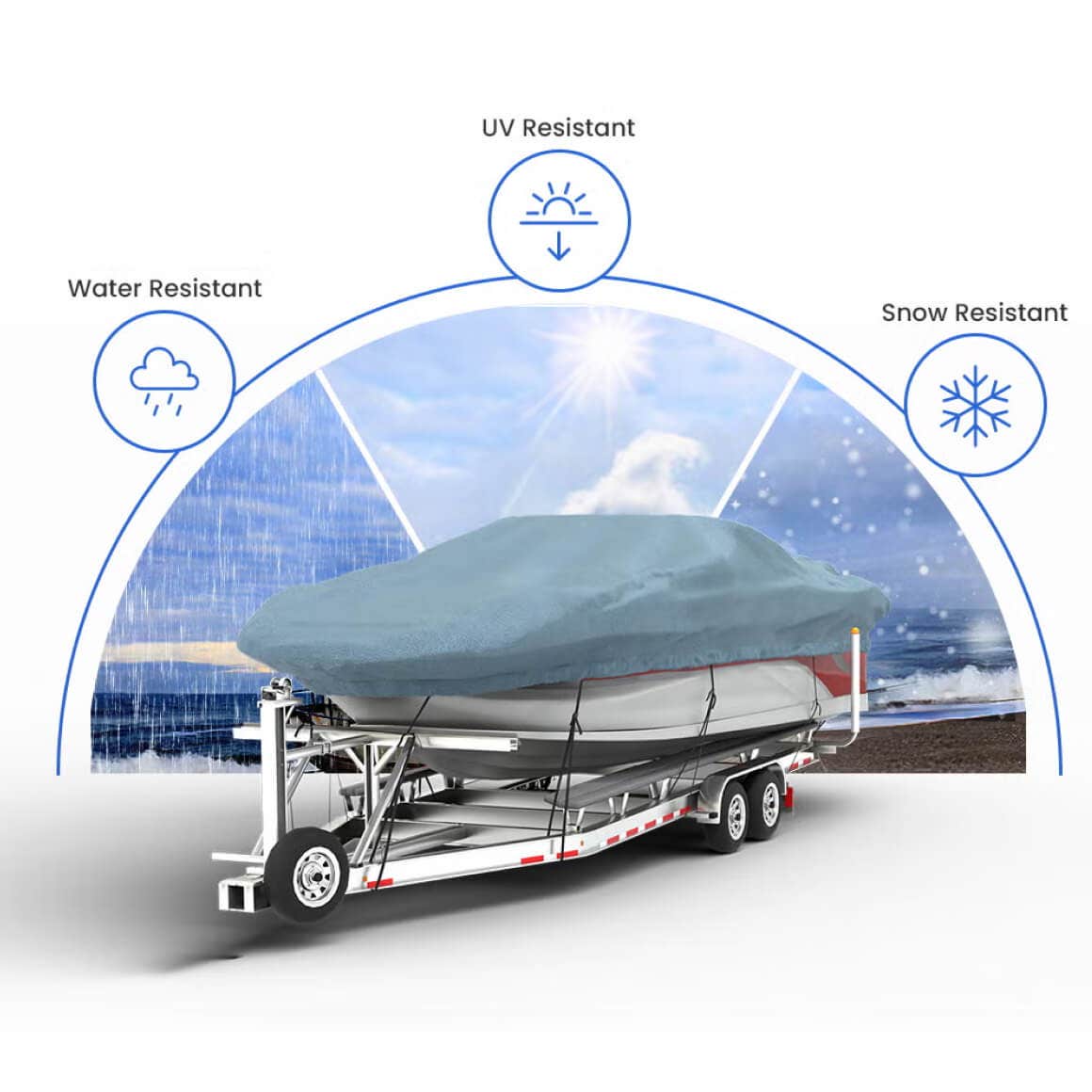
Think of a boat cover as your boat’s raincoat and sunscreen rolled into one. Pick wrong, and you’re stuck babysitting problems all season.
UV resistant boat covers keep the sun at bay
The September sun isn’t gentle—it’s just deceptive. You don’t feel it as much, but it’s still hammering your seats, paint, and electronics. UV resistant boat covers act like sunglasses for your boat, blocking rays that would otherwise bleach and crack materials.
Custom covers vs. off-the-shelf
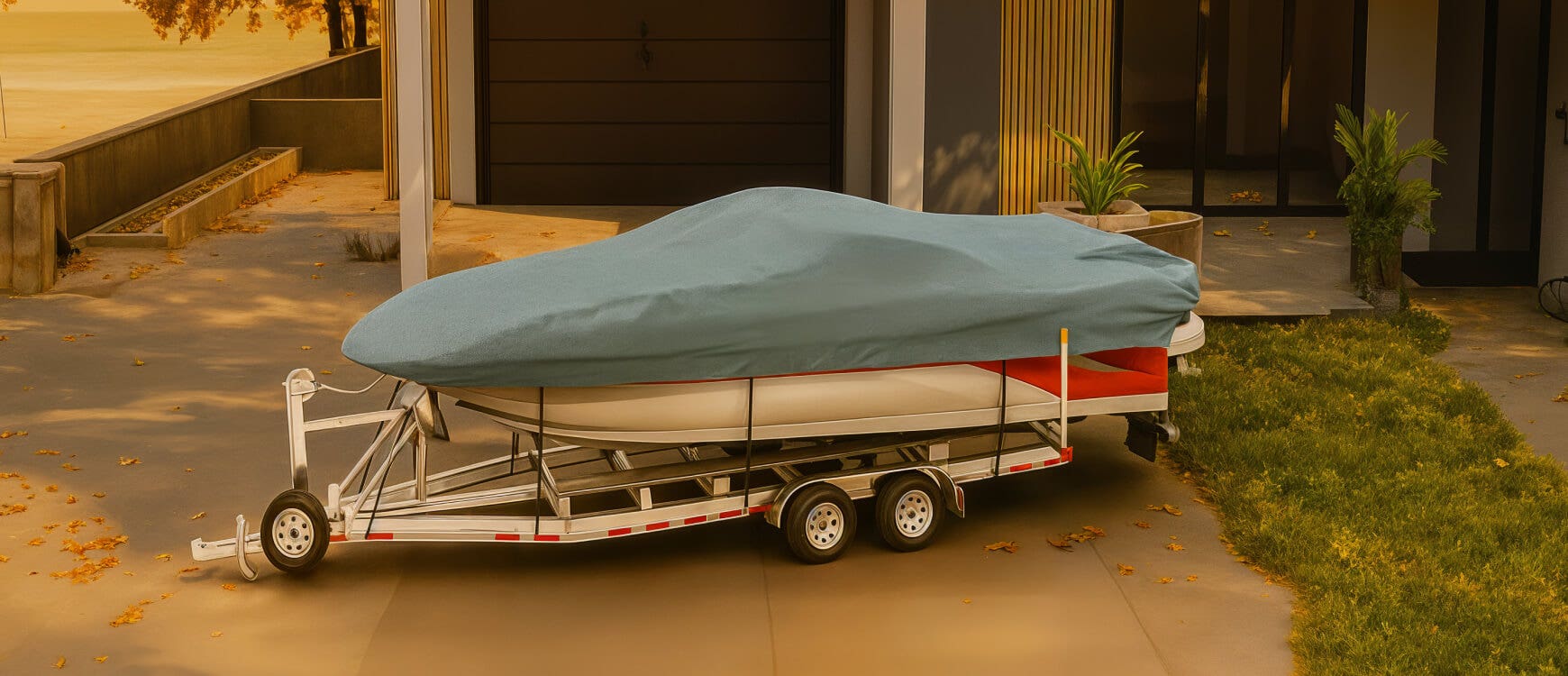
Generic covers usually fit about as well as a bedsheet on a windy clothesline. They flap, they sag, they leave gaps. Custom boat covers, on the other hand, hug every curve of your vessel. They keep rain from pooling and pests from slipping inside.
Fishing boats and trailerable boats need different covers
A fisherman’s boat isn’t the same as a ski boat. Fishing boat covers usually come with cutouts and extra space for rod holders and gear. If you tow your boat often, trailerable boat covers are the practical choice—they’re built tough enough for both trailering and docking.
Dock Boat Cover Tips That Actually Work
Even the best cover won’t do its job if you use it wrong. A few small adjustments make all the difference.
Fit is king
A cover that fits loose will rub, flap, and eventually tear. Worse, it lets in water. A snug fit is non-negotiable if you care about your boat’s finish.
Lock it down
September storms come quick. Use straps, cords, or clips—whatever it takes—to make sure your cover stays put. You don’t want to wake up and find it floating in the water.
Keep the air flowing
Moisture is sneaky. If it gets trapped under your cover, mildew sets in fast. Look for vented marine covers or add a support pole under the cover to keep water from pooling.
Outdoor Boat Maintenance That Pays Off
A cover is a hero, but it can’t do everything. Regular outdoor boat maintenance is your backup plan.
Quick wash, big payoff
Salt, grime, and dirt cling like glue. Rinsing your boat once a week and wiping down surfaces prevents stains and extends the life of your cover too.
Don’t ignore the little stuff
A loose cleat or small crack in the hull might not seem urgent, but give it a month and you’ll be writing checks you regret. Five minutes with a checklist at the dock saves a lot of grief later.
Double-layer protection
For rougher weather or storm-prone marinas, throw a waterproof tarpaulin over your main cover. It’s like putting a heavy-duty jacket over a raincoat.
Looking Ahead: Storage Prep
Even though you may still be enjoying late-summer fishing trips or sunset cruises, September is also the month to think about storage.
Store gear separately
Piling everything in the cabin is a mildew trap. Use storage bags for ropes, life vests, and small electronics. You’ll thank yourself when spring rolls around.
Switch covers seasonally
Lightweight covers are fine for summer, but come late fall, switch to heavy-duty custom covers that can handle snow or ice if you live up north.
Care for your cover, too
Here’s a tip a lot of people forget: wash and dry your cover before storing it. Don’t drag it over sharp corners, and never pack it away wet. Well-kept custom boat covers last years longer.
FAQs About Marine Boat Protection
1. Do I really need UV resistant boat covers in September?
Absolutely. UV rays are still strong enough to fade and weaken your boat’s surfaces.
2. Are custom boat covers really worth it?
Yes, fit matters more than you think. Loose covers let in water, pests, and dirt.
3. How can I stop mildew under my cover?
Use vented covers and dry your boat before covering it.
4. Can I tow with my fishing boat cover?
Not always. For trailering, go with a dedicated trailerable boat cover.
5. Should I layer a tarpaulin over my cover?
If storms are common where you dock, adding a waterproof tarpaulin is a smart move.
6. What’s the best way to store accessories?
Separate them into storage bags to keep everything dry, organized, and mildew-free.
Wrapping It Up
September might seem like a lull in the boating season, but it’s actually when your boat is most vulnerable. A mix of lingering sun, sudden storms, and constant dockside exposure means extra vigilance pays off.
With the right boat covers for docked boats, smart dock boat cover tips, and consistent outdoor boat maintenance, you’ll protect your investment and extend its life. Whether it’s UV resistant boat covers, heavy-duty custom boat covers, or layering with waterproof tarps, the goal is simple: keep your boat safe now so it’s ready to shine next season.
For more ways to protect your boat, explore Covers & All’s marine covers and custom covers.
Recent Comments