


Early spring in the US is confusing. One day feels like patio weather; the next brings cold rain, wind, or surprise frost. This in-between season is exactly when outdoor furniture and backyard setups take the most damage – not cold winter, not peak summer, but the unpredictable weeks in between.
If you’re transitioning your backyard from winter to spring, a little planning now can save you from warped furniture, soaked cushions, rusted heaters, and unnecessary replacements later.
Here’s how to handle backyard winter prep, smart winter outdoor protection, and practical ways of protecting outdoor furniture during early spring rain without overdoing it.
Why Early Spring is Harder on Outdoor Spaces Than Winter
Winter damage is expected. Early spring damage isn’t, and that’s why it’s often worse.
- Fluctuating temperatures cause materials to expand and contract
- Rain + leftover cold leads to moisture retention
- Wind picks up when covers are removed too early
- Cushions absorb moisture faster than they dry
This is why winterproofing outdoor spaces before spring actually needs to extend into early spring.
Step 1: Don’t Remove Protection Too Early
One of the biggest mistakes homeowners make is packing away covers the moment the weather “looks better.” Early spring patio protection tips for changing temperatures start with this rule: If nights are still cold or rain is unpredictable, protection stays on. Instead of removing covers completely:
- Loosen them during the day for airflow
- Secure them again overnight
- Check seams and fasteners for wear
This approach helps transition outdoor spaces from winter to spring safely instead of rushing it.
Step 2: Focus on Moisture Control (Not Just Cold)
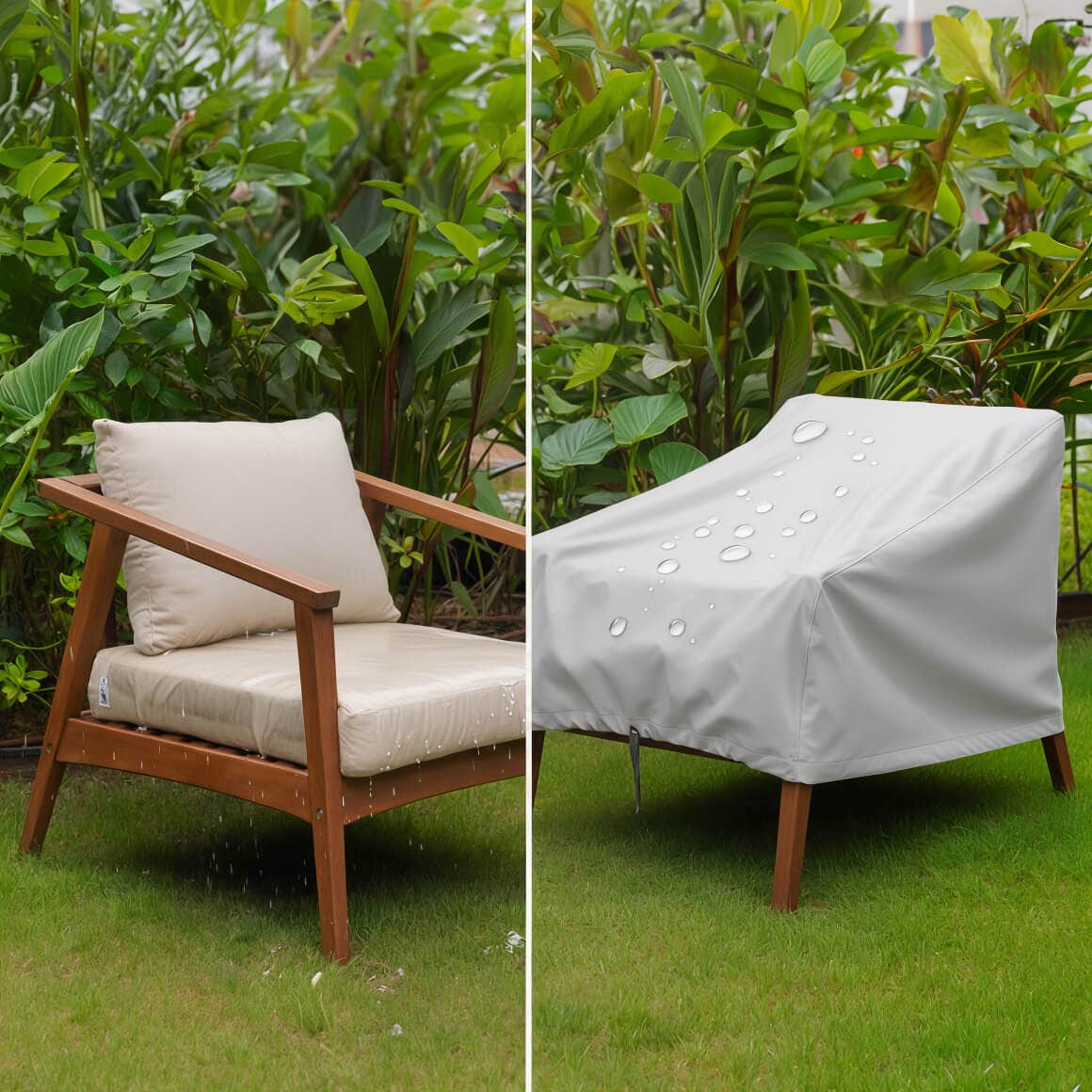
Early spring rain is sneaky. It’s lighter, more frequent, and more damaging long-term. What needs attention most:
- Outdoor cushions
- Wood furniture
- Firepits and heaters
- Storage boxes
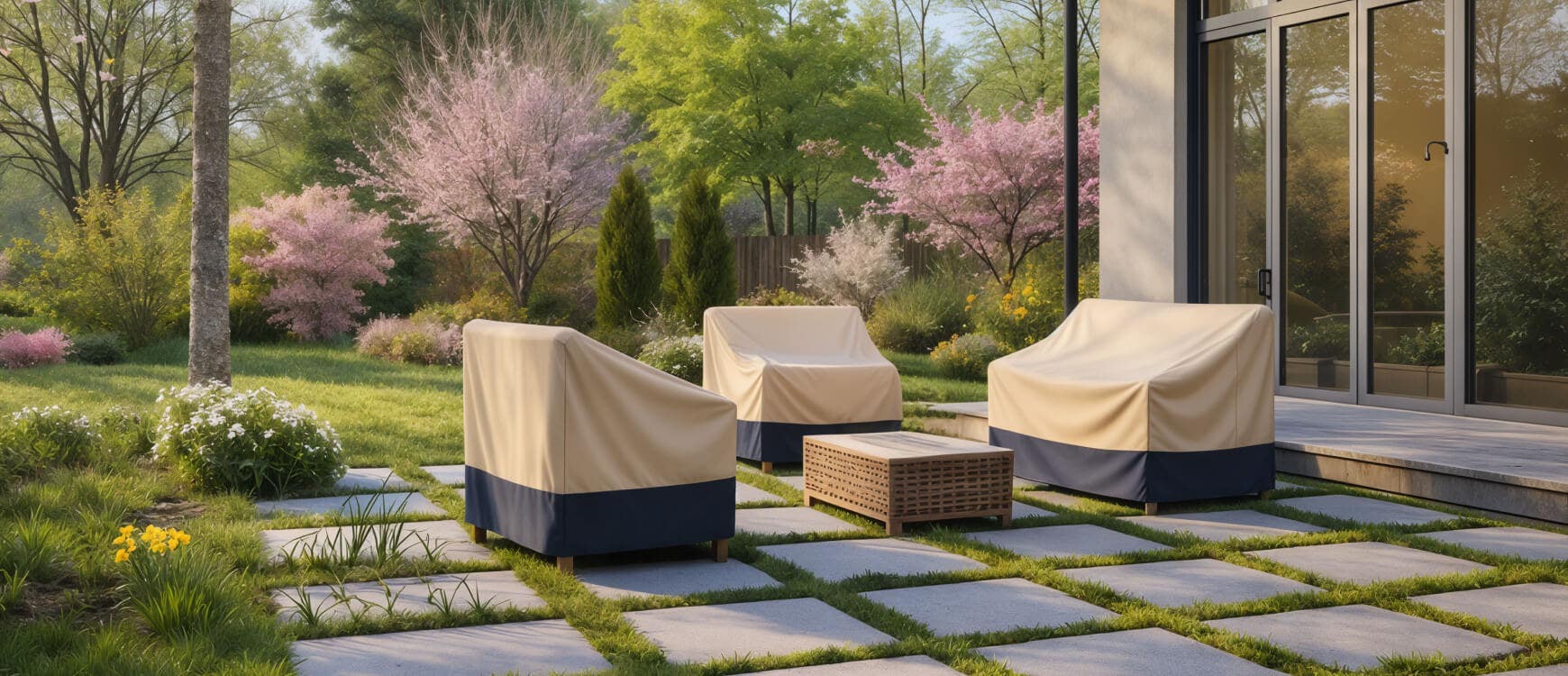
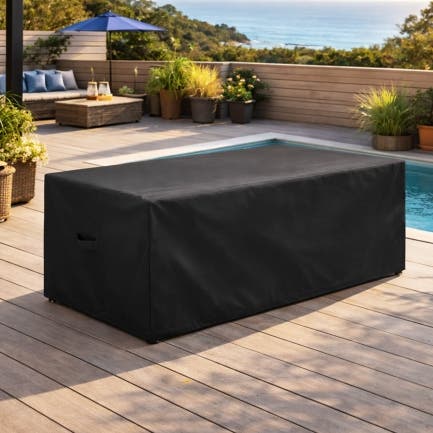
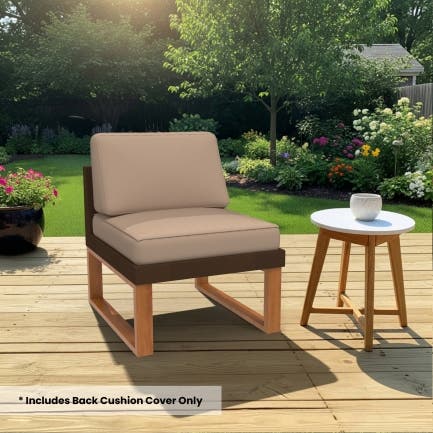
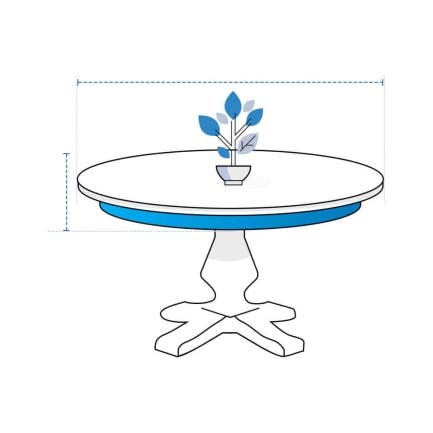
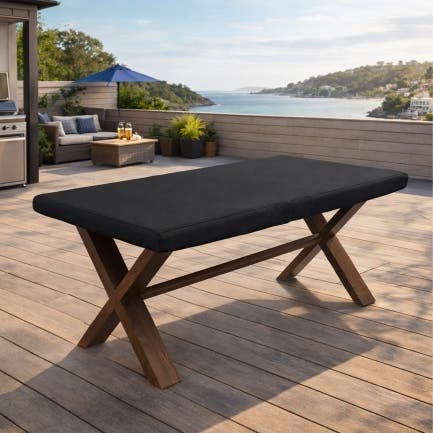
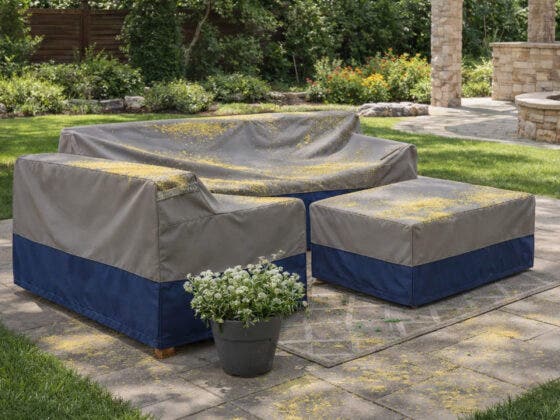
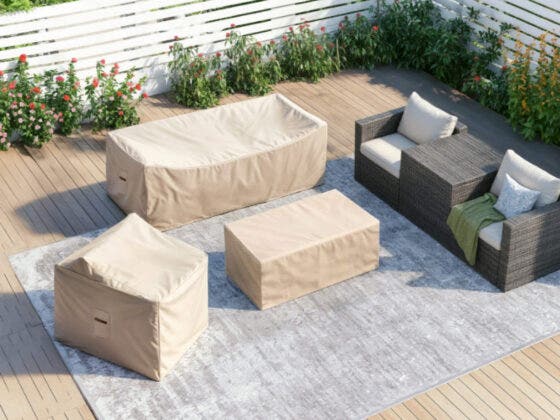
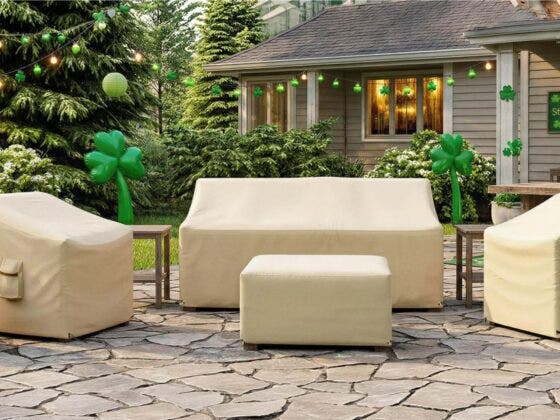
Using outdoor cushion covers during early spring rain prevents mold and fabric breakdown, especially when cushions aren’t in daily use yet. For tables and seating, outdoor table covers help block moisture without trapping condensation, key for early spring protection.
Step 3: Keep Firepits & Heaters Protected (Even If You’re Using Them)
Cold evenings stick around well into spring, which means outdoor heaters and firepits stay in rotation.
When they’re not in use:
- Use custom firepit covers to prevent water pooling
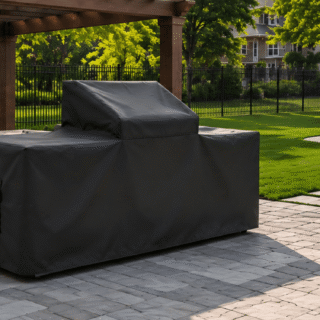
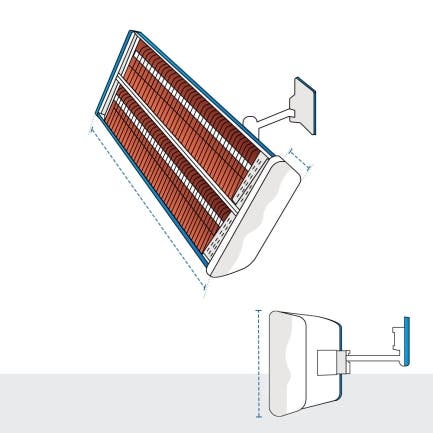
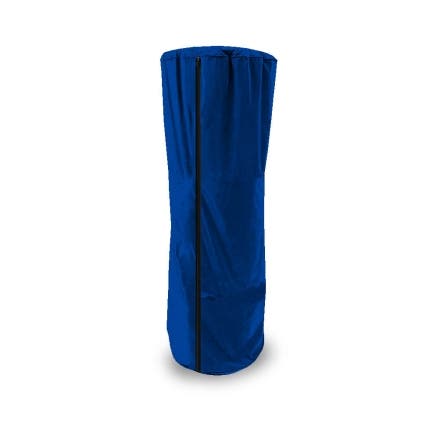
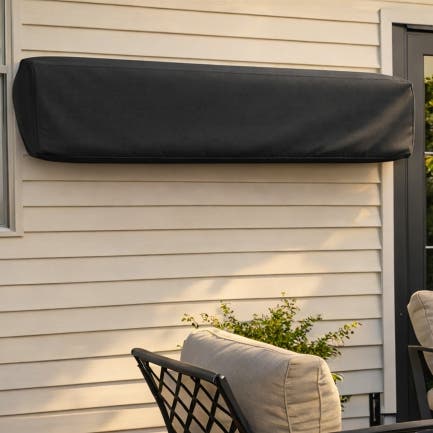
- Keep outdoor heater covers on overnight and during rain
- Avoid tarps that trap moisture underneath
This is one of the most overlooked parts of winter outdoor protection, yet it’s where rust and damage start fastest.
Popular Products





Step 4: Storage Isn’t “Set It and Forget It”
Outdoor storage works hardest during seasonal transitions. Early spring means:
- More opening and closing
- Items moving in and out
- Higher moisture exposure
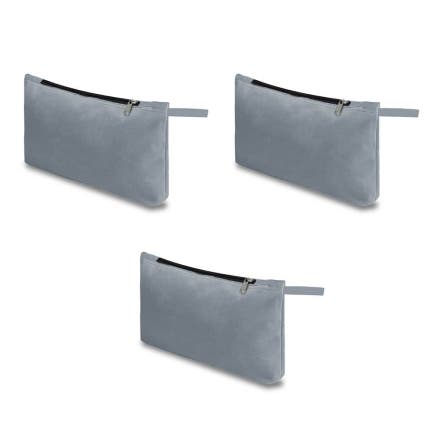
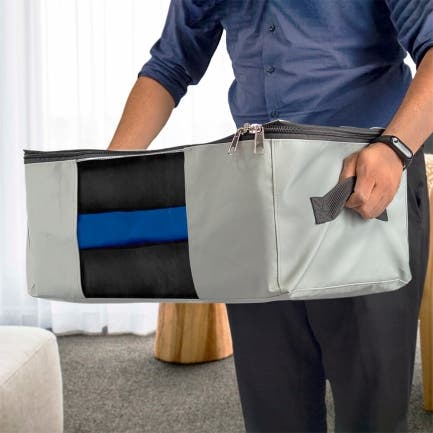
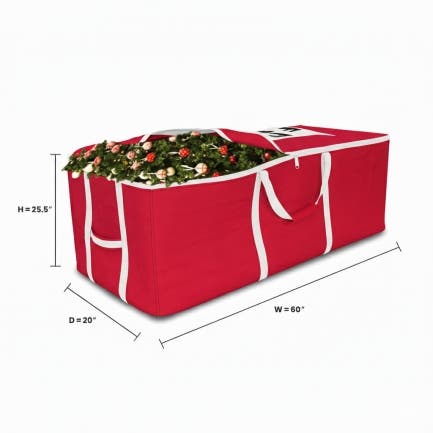
That’s why outdoor storage covers matter just as much now as they did in winter. They protect tools, cushions, and accessories while allowing you to access them easily as the season changes.
Step 5: Choose Covers Made for Unpredictable Weather
Not all covers are built for early spring conditions. When looking for the best outdoor covers for unpredictable spring weather, prioritize:
- Water resistance (not plastic waterproofing)
- Breathable materials
- Secure tie-downs for wind
- Custom or tailored fits to avoid sagging
Loose covers flap, collect water, and cause more harm than good.
Step 6: Gradually Refresh, Don’t Fully Reset
Spring-ready backyard protection ideas for US homes work best when done in phases. Instead of fully setting up your space:
- Clean furniture while it’s still covered
- Swap winter cushions for spring ones gradually
- Air out pieces during dry afternoons only
- Keep protection nearby for sudden weather changes
This approach helps how to prepare outdoor spaces for early spring weather in the US without undoing months of winter prep.
Step 7: Inspect Before You Decorate
Before styling your patio or backyard:
- Check for moisture under covers
- Look for fabric stiffness or odor
- Tighten fasteners and straps
- Clean surfaces before exposure
This final step ensures your backyard winter prep actually pays off.
Final Thoughts: Spring Prep is About Timing, Not Speed
Early spring isn’t the finish line – it’s a transition zone. The smartest way to protect your outdoor setup is to:
- Extend winter protection slightly
- Adjust based on weather, not the calendar
- Use covers strategically instead of removing them all at once
With the right balance, you’ll protect your investment, reduce wear, and be fully ready when spring finally commits.





Recent Comments