


After a long winter, late March feels like a reset. The snow’s gone (mostly), the sun’s back, and people start thinking about getting their outdoor space ready again. That’s usually when patio furniture gets uncovered and left that way.
It makes sense on the surface. The worst weather feels like it’s behind you. But this is where things quietly go wrong. Late March isn’t stable. It’s a transition phase, and that mix of conditions is exactly what starts wearing your furniture down.
You’ve got light rain one day, damp air the next, and just enough sun to make it all worse over time. It doesn’t look extreme, but it adds up fast.
It’s Not Heavy Rain – It’s Constant Moisture
Spring rain isn’t dramatic. It’s not the kind you rush out to deal with. It comes and goes, sometimes lightly, sometimes unexpectedly, but often enough to keep everything slightly damp.
That’s the issue.
When you leave patio furniture uncovered in March, moisture doesn’t just hit and dry. It lingers. Wood absorbs it; metal reacts to it, and cushions hold onto it longer than you’d expect.
This is exactly why people try to protect patio furniture from spring rain early – because once that moisture settles in, you’re already dealing with damage, not preventing it.
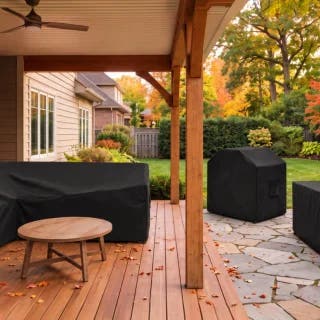
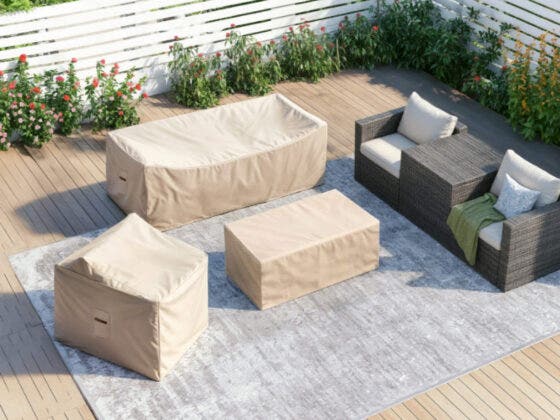
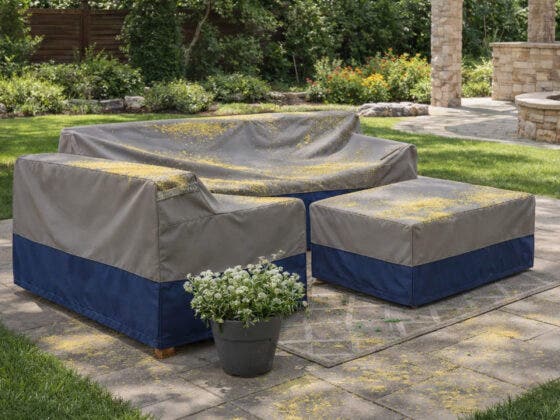
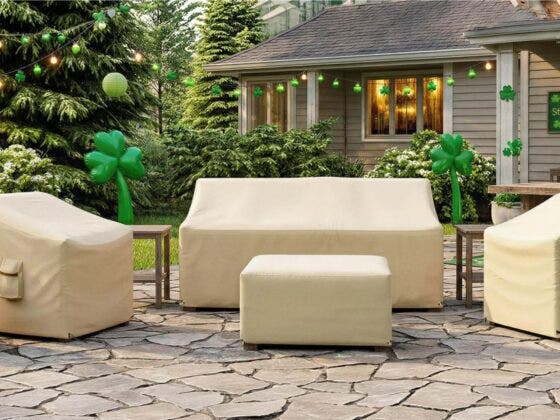
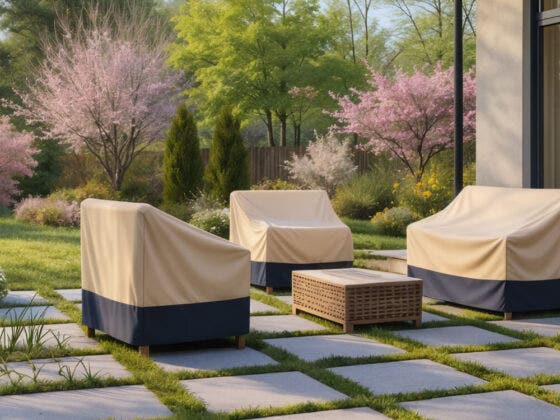
A proper set of patio furniture covers makes a noticeable difference here. Not the loose, thin ones, but something that actually keeps water out and stays in place.
The Sun’s Back – & it Starts Working Immediately
It might not feel like summer yet, but the sun doesn’t wait. By late March, UV exposure is already doing its thing in the background. Fabrics start to lose color, plastic loses flexibility, and wood begins to dry out unevenly. It’s subtle at first, which is why most people ignore it.
Using UV resistant outdoor furniture covers at this stage isn’t overdoing it- it’s just staying ahead. Once fading or weakening starts, there’s no real way to reverse it.
This is When Mold Starts Showing Up
The combination of mild warmth and leftover moisture creates the perfect setup for mold. And cushions are always the first to get hit. If you’ve ever pulled out outdoor cushions in early spring and noticed that damp smell or faint spotting, that’s how it starts. If nothing changes, it spreads.
Trying to prevent mold on outdoor cushions in spring is a lot easier than trying to fix it later. Once it settles into the fabric, cleaning only does so much.
The in-Between Weather is the Problem
Late March sits right between seasons, and that’s what makes it tricky. There’s still moisture from winter in some areas. Temperatures fluctuate, and materials expand and contract constantly. It’s not something you notice right away, but over time, it affects how sturdy everything feels.
Most spring thaw patio furniture care tips focus on cleaning things up after winter. That’s fine, but cleaning doesn’t stop ongoing exposure. Protection does.
Covering Early Just Makes More Sense

If you’re on the fence about whether to cover patio furniture in early spring, it really comes down to timing. Waiting until everything looks worn or feels damp is the usual move. By then, however, the process had already started. Covering early keeps things dry, blocks unnecessary sun exposure, and avoids that slow buildup of damage that’s hard to spot until it’s obvious.
What Actually Helps (Without Overcomplicating It)
You don’t need anything fancy, but you do need the right fit.
- Outdoor table covers that don’t sag and collect water
- Outdoor chair covers that stay put even when the weather shifts
- Breathable cushion covers so moisture doesn’t get trapped inside
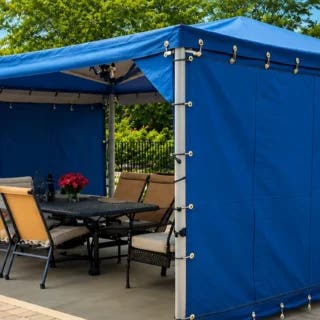
If your setup isn’t standard, custom covers are usually worth it. A loose cover might seem fine, but if it shifts or lets water pool, it defeats the purpose.
Most People Wait Too Long
This is the part that repeats every year.
Everything looks fine, so nothing gets covered. Then a few weeks pass, the cushions feel off, maybe there’s a faint smell, maybe the finish doesn’t look the same anymore. At that point, it’s already happened. Taking a little time to cover patio furniture in early spring avoids all of that. It’s one of those small things that saves you from bigger annoyances later.
Final Thought
Late March doesn’t seem harsh, and that’s exactly why it gets overlooked. But it’s the combination of small, constant exposure – moisture, light, shifting temperatures that slowly wears things down. Handle it early, and your furniture stays in good shape without much effort. Leave it exposed, and you’ll start noticing the difference sooner than you’d expect.



Recent Comments